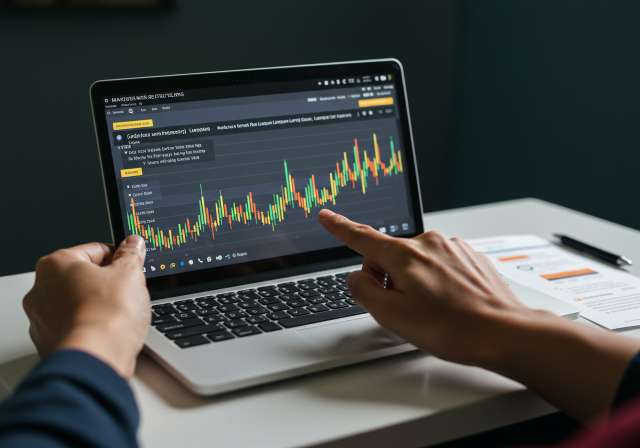
Demystifying Intraday Trading: Learn the strategies, risks, and essential tips for navigating the Indian stock market. Understand how to potentially profit in a
Demystifying intraday trading: Learn the strategies, risks, and essential tips for navigating the Indian stock market. Understand how to potentially profit in a single day with intraday trading.
Intraday Trading: A Beginner’s Guide to Day Trading in India
Introduction: What is Intraday Trading?
The Indian stock market, with its bustling activity on the National Stock Exchange (NSE) and Bombay Stock Exchange (BSE), offers various avenues for investors to participate and potentially profit. One such avenue, known for its high-risk, high-reward nature, is intraday trading. This involves buying and selling stocks or other financial instruments within the same trading day, aiming to capitalize on short-term price fluctuations. Unlike long-term investing, where investors hold assets for months or years, intraday traders close all their positions before the market closes, thus avoiding overnight risk.
Understanding the Mechanics of Intraday Trading
The core principle of intraday trading is to exploit price volatility. Traders analyze market trends, news events, and technical indicators to predict how a stock’s price might move during the day. They then buy the stock if they anticipate a price increase (going long) or sell it if they expect a price decrease (going short). The difference between the buying and selling price, minus brokerage fees and other charges, represents the profit or loss.
Key Concepts in Intraday Trading
- Leverage: Intraday traders often use leverage, provided by brokers, to amplify their potential profits (and losses). Leverage allows traders to control a larger position with a smaller initial investment (margin). While it can increase potential returns, it also significantly increases the risk of substantial losses.
- Stop-Loss Orders: A crucial risk management tool. Stop-loss orders automatically close a position when the price reaches a pre-determined level, limiting potential losses. Setting stop-loss orders is essential for protecting capital in the volatile world of intraday trading.
- Technical Analysis: Intraday traders rely heavily on technical analysis, using charts, patterns, and indicators to identify potential trading opportunities. Common indicators include moving averages, Relative Strength Index (RSI), and Moving Average Convergence Divergence (MACD).
- Market Sentiment: Understanding the overall market sentiment (bullish or bearish) is crucial. News events, economic data releases, and global market trends can significantly impact stock prices.
- Liquidity: Liquidity refers to how easily a stock can be bought or sold without significantly affecting its price. Intraday traders typically focus on highly liquid stocks to ensure they can enter and exit positions quickly.
Strategies Employed in Intraday Trading
Successful intraday trading requires a well-defined strategy and disciplined execution. Here are some commonly used strategies:
Trend Following
This strategy involves identifying and capitalizing on existing price trends. Traders look for stocks that are trending upwards or downwards and enter positions in the direction of the trend. Technical indicators can help identify trends and potential entry and exit points.
Breakout Trading
Breakout traders look for stocks that are breaking through key support or resistance levels. When a stock’s price breaks above a resistance level, it signals a potential upward trend. Conversely, breaking below a support level suggests a potential downward trend. Traders enter positions after confirming the breakout.
Scalping
Scalping is a high-frequency strategy that involves making numerous small profits from tiny price movements. Scalpers aim to hold positions for very short periods, often just a few seconds or minutes, and close them quickly for a small profit. This strategy requires quick reflexes and access to real-time market data.
Reversal Trading
Reversal traders attempt to identify and profit from price reversals. They look for stocks that have been trending in one direction but show signs of reversing course. This strategy requires careful analysis of price patterns and technical indicators to confirm the potential reversal.
Risks Associated with Intraday Trading
While the potential for high returns attracts many to intraday trading, it’s crucial to understand the inherent risks involved. Here are some of the most significant risks:
- High Volatility: Intraday price movements can be unpredictable and volatile. Sudden news events or market sentiment shifts can lead to significant losses.
- Leverage Risk: As mentioned earlier, leverage amplifies both profits and losses. A small adverse price movement can wipe out a trader’s capital if they are using high leverage.
- Emotional Trading: Fear and greed can cloud judgment and lead to impulsive trading decisions. Sticking to a pre-defined strategy and avoiding emotional trading is crucial for success.
- Brokerage Costs and Taxes: Frequent trading incurs brokerage costs and taxes, which can eat into profits. Understanding these costs and factoring them into trading decisions is essential. The Securities and Exchange Board of India (SEBI) closely regulates brokerage firms and trading activities, requiring adherence to specific rules and regulations.
- Time Commitment: Intraday trading requires constant monitoring of the market and quick decision-making. It demands a significant time commitment and can be stressful.
Tips for Successful Intraday Trading in the Indian Market
If you’re considering intraday trading, here are some essential tips to increase your chances of success:
- Thorough Research: Research stocks, market trends, and economic indicators before entering any trade. Use reliable sources of information, such as financial news websites, company reports, and analyst recommendations.
- Develop a Trading Plan: Create a detailed trading plan that outlines your goals, risk tolerance, trading strategies, and money management rules. Stick to your plan and avoid deviating from it based on emotions.
- Start Small: Begin with a small amount of capital and gradually increase your trading size as you gain experience and confidence.
- Use Stop-Loss Orders: Always use stop-loss orders to limit potential losses. Determine appropriate stop-loss levels based on your risk tolerance and the volatility of the stock.
- Control Your Emotions: Avoid emotional trading. Make rational decisions based on your trading plan and market analysis.
- Stay Updated: Keep abreast of market news, economic events, and company announcements that could impact stock prices.
- Learn from Your Mistakes: Analyze your trades, both winning and losing, to identify areas for improvement. Learn from your mistakes and refine your trading strategies accordingly.
- Choose a Reliable Broker: Select a reputable brokerage firm that offers a user-friendly trading platform, competitive brokerage rates, and reliable customer support. Many brokers in India also offer educational resources and tools for intraday traders. Consider factors like brokerage fees, margin requirements, and trading platform features before selecting a broker.
- Understand Taxation: Intraday trading profits are typically taxed as business income in India. Consult with a tax advisor to understand the tax implications of your trading activities.
Intraday Trading vs. Other Investment Options
It’s crucial to understand how intraday trading compares to other investment options available in the Indian market, such as:
- Long-Term Investing in Equity Markets: Investing in fundamentally strong companies for the long term (years) is generally considered less risky than intraday trading. While potential returns may be lower, the risk is mitigated by holding assets for longer periods.
- Mutual Funds: Investing in mutual funds, either through lump-sum investments or Systematic Investment Plans (SIPs), offers diversification and professional fund management. This is a less active approach than intraday trading and suitable for investors who prefer a more hands-off approach.
- Exchange Traded Funds (ETFs): ETFs track a specific index, sector, or commodity and offer diversification at a lower cost compared to actively managed mutual funds.
- Public Provident Fund (PPF): A government-backed savings scheme offering tax benefits and guaranteed returns. PPF is a safe and long-term investment option suitable for retirement planning.
- National Pension System (NPS): A retirement savings scheme that allows individuals to invest in a mix of equity, debt, and government securities. NPS offers tax benefits and is a suitable option for long-term retirement planning.
- Equity Linked Savings Scheme (ELSS): A type of mutual fund that offers tax benefits under Section 80C of the Income Tax Act. ELSS investments have a lock-in period of 3 years and are suitable for tax saving purposes.
Conclusion: Is Intraday Trading Right for You?
Intraday trading can be a potentially rewarding but also highly risky endeavor. It requires a significant time commitment, thorough research, disciplined execution, and a strong understanding of market dynamics. Before venturing into intraday trading, carefully assess your risk tolerance, financial situation, and investment goals. If you are new to the stock market, consider starting with less risky investment options like long-term investing or mutual funds before exploring the world of day trading. Remember to always prioritize risk management and never invest more than you can afford to lose. Consult with a financial advisor to get personalized advice based on your individual circumstances.
Leave a Reply