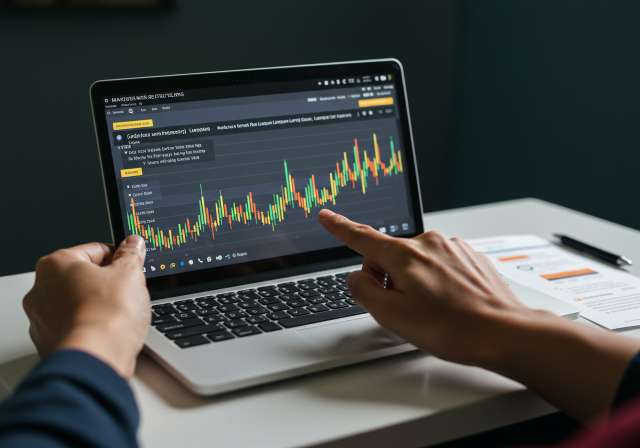
Demystifying Intraday Trading: Learn the risks and rewards of day trading in India. Discover strategies, tips, and essential tools for navigating the Indian sto
Demystifying intraday trading: Learn the risks and rewards of day trading in India. Discover strategies, tips, and essential tools for navigating the Indian stock market. Is intraday trading right for you?
Mastering Intraday Trading: A Beginner’s Guide for Indian Investors
Introduction: Decoding the World of Intraday Trading
The Indian stock market, with giants like the National Stock Exchange (NSE) and the Bombay Stock Exchange (BSE), offers a multitude of opportunities for investors. From long-term equity investments to exploring the world of mutual funds through Systematic Investment Plans (SIPs), the options are vast. However, a segment that often captures the attention of both seasoned investors and newcomers alike is intraday trading, also known as day trading. But what exactly is it, and is it the right choice for you?
This comprehensive guide delves into the intricacies of intraday trading in the Indian context, examining its nuances, potential benefits, inherent risks, and essential strategies for success. We’ll explore crucial aspects like margin requirements, technical analysis, risk management, and the regulatory framework set by the Securities and Exchange Board of India (SEBI).
Understanding Intraday Trading: The Core Concept
In simple terms, intraday trading involves buying and selling stocks or other financial instruments within the same trading day. The primary objective is to profit from short-term price fluctuations. Unlike traditional investors who hold assets for weeks, months, or even years, intraday traders close their positions before the market closes, typically at 3:30 PM IST, avoiding overnight risk. This means that all positions are squared off before the end of the trading session, regardless of profit or loss.
Think of it as capitalizing on the daily volatility of stocks listed on the NSE or BSE. Traders might buy a stock in the morning expecting its price to rise and sell it later in the day for a profit. Conversely, they might short-sell a stock, anticipating a price decline, and buy it back later at a lower price.
Key Differences: Intraday Trading vs. Delivery-Based Trading
It’s crucial to distinguish intraday trading from delivery-based trading, the more conventional form of investing. Here’s a table highlighting the key differences:
| Feature | Intraday Trading | Delivery-Based Trading |
|---|---|---|
| Holding Period | Same Trading Day | Days, Weeks, Months, or Years |
| Objective | Profit from short-term price movements | Long-term capital appreciation |
| Leverage | High leverage is typically used | Little to no leverage |
| Risk | Higher risk due to leverage and short holding period | Lower risk (potentially) with longer holding periods |
| Account Type | Usually requires a margin account | Demat account is essential |
Advantages of Intraday Trading: The Allure of Quick Profits
Several factors contribute to the appeal of intraday trading:
- Potential for Quick Profits: Intraday traders aim to generate profits from small price movements, potentially multiplying their gains through leverage.
- No Overnight Risk: Since positions are closed at the end of the day, traders avoid the risk of unexpected overnight news or market movements affecting their investments.
- Leverage Opportunities: Brokers often provide higher leverage for intraday trading, allowing traders to control larger positions with a smaller capital outlay. This can amplify both profits and losses.
- Flexibility: Intraday trading offers flexibility, as traders can enter and exit positions based on real-time market conditions.
Disadvantages and Risks: The Dark Side of Day Trading
While the potential for quick profits is tempting, intraday trading comes with significant risks:
- High Risk of Losses: Leverage magnifies both profits and losses. A small adverse price movement can result in substantial losses.
- Requires Constant Monitoring: Intraday trading demands constant monitoring of market movements, news events, and technical indicators. It’s a full-time commitment.
- Emotional Discipline: Success in intraday trading requires strong emotional discipline to avoid impulsive decisions driven by fear or greed.
- Brokerage Costs: Frequent trading can lead to significant brokerage costs, impacting overall profitability.
- Market Volatility: The Indian stock market can be highly volatile, especially during certain periods. This volatility can lead to unexpected losses for intraday traders.
Essential Tools and Strategies for Intraday Trading Success
Successful intraday trading requires a combination of knowledge, skill, discipline, and the right tools. Here are some essential components:
1. Technical Analysis: Charting Your Course
Technical analysis involves studying price charts, patterns, and technical indicators to identify potential trading opportunities. Common indicators include:
- Moving Averages: Used to identify trends and potential support/resistance levels.
- Relative Strength Index (RSI): Measures the magnitude of recent price changes to evaluate overbought or oversold conditions.
- Moving Average Convergence Divergence (MACD): A trend-following momentum indicator that shows the relationship between two moving averages of a security’s price.
- Fibonacci Retracement Levels: Used to identify potential support and resistance levels based on Fibonacci ratios.
2. Fundamental Analysis: Understanding the Bigger Picture
While technical analysis is crucial, understanding the underlying fundamentals of a company is also important. This involves analyzing financial statements, industry trends, and news events that could impact the stock price. For example, announcements of quarterly results, policy changes impacting certain sectors, and global economic events. While intraday traders focus on short-term movements, knowledge of the company is useful.
3. Risk Management: Protecting Your Capital
Effective risk management is paramount in intraday trading. Here are some key risk management techniques:
- Stop-Loss Orders: Setting stop-loss orders to automatically exit a trade when the price reaches a pre-determined level, limiting potential losses.
- Position Sizing: Determining the appropriate amount of capital to allocate to each trade based on risk tolerance and account size.
- Diversification (Limited in Intraday): While intraday trading focuses on individual stocks, diversifying across a few different sectors can help mitigate risk.
- Trailing Stop-Loss Orders: Adjusting the stop-loss level as the price moves in a favorable direction, locking in profits while limiting potential losses.
4. Trading Psychology: Mastering Your Emotions
Emotional discipline is crucial for successful intraday trading. Avoid making impulsive decisions driven by fear, greed, or revenge. Stick to your trading plan and avoid chasing losses. Maintaining a calm and rational mindset is essential for making sound trading decisions.
5. Choosing the Right Broker: A Key Decision
Selecting the right broker is a critical step for any intraday trader. Consider factors such as:
- Brokerage Fees: Look for brokers with competitive brokerage rates, especially for intraday trading.
- Trading Platform: Choose a platform that is user-friendly, reliable, and offers advanced charting tools and real-time data.
- Leverage Options: Understand the leverage offered by the broker and ensure it aligns with your risk tolerance.
- Customer Support: Ensure the broker offers reliable customer support to address any queries or issues promptly.
SEBI Regulations and Intraday Trading in India
The Securities and Exchange Board of India (SEBI) plays a crucial role in regulating the Indian stock market, including intraday trading. SEBI’s regulations aim to protect investors and maintain market integrity. Key aspects of SEBI’s regulations related to intraday trading include:
- Margin Requirements: SEBI sets margin requirements for intraday trading to ensure that traders have sufficient capital to cover potential losses.
- Brokerage Regulations: SEBI regulates brokerage firms to ensure they adhere to fair trading practices and protect client funds.
- Insider Trading Regulations: SEBI strictly prohibits insider trading, which involves trading based on non-public information.
- Investor Grievance Redressal: SEBI provides a mechanism for investors to file complaints against brokers or companies in case of grievances.
Is Intraday Trading Right for You? A Self-Assessment
Intraday trading is not for everyone. It requires a significant time commitment, a strong understanding of financial markets, and the ability to manage risk effectively. Before venturing into the world of intraday trading, consider the following questions:
- Do you have sufficient capital to risk? Remember that you could lose a significant portion of your investment.
- Are you willing to dedicate a significant amount of time to monitoring the market? Intraday trading requires constant attention.
- Do you have a strong understanding of technical and fundamental analysis? Knowledge of market dynamics is crucial.
- Are you emotionally disciplined and able to stick to your trading plan? Emotional control is essential for avoiding impulsive decisions.
- Can you afford the brokerage costs associated with frequent trading? Brokerage fees can impact profitability.
If you answered “no” to most of these questions, intraday trading might not be the right choice for you. Consider exploring other investment options, such as long-term equity investments, mutual funds, Exchange Traded Funds (ETFs), Public Provident Fund (PPF), or the National Pension System (NPS), which offer lower risk and require less active management. Even Equity Linked Savings Schemes (ELSS) can be a useful vehicle if you are looking to invest in the equity markets with the added bonus of saving on taxes under Section 80C of the Income Tax Act, 1961.
Conclusion: Proceed with Caution and Knowledge
Intraday trading can be a potentially lucrative but also highly risky endeavor. It requires a significant investment of time, effort, and capital. Before embarking on this journey, ensure you have a solid understanding of the risks involved, develop a comprehensive trading plan, and practice sound risk management techniques. Remember to stay informed about market trends, regulatory changes, and economic events that could impact your trading decisions. Always approach intraday trading with caution, knowledge, and discipline.