Tag: intraday trading

  • Intraday Trading: A Beginner’s Guide to Day Trading in India

    Intraday Trading: A Beginner’s Guide to Day Trading in India

    Unlock the secrets of intraday trading! This guide reveals strategies, risks, and essential tips for navigating the Indian stock market. Learn how to potentiall

    Unlock the secrets of intraday trading! This guide reveals strategies, risks, and essential tips for navigating the Indian stock market. Learn how to potentially profit, manage risk, and make informed decisions with this comprehensive intraday trading resource.

    Intraday Trading: A Beginner’s Guide to Day Trading in India

    Introduction: Grasping the Essentials of Day Trading

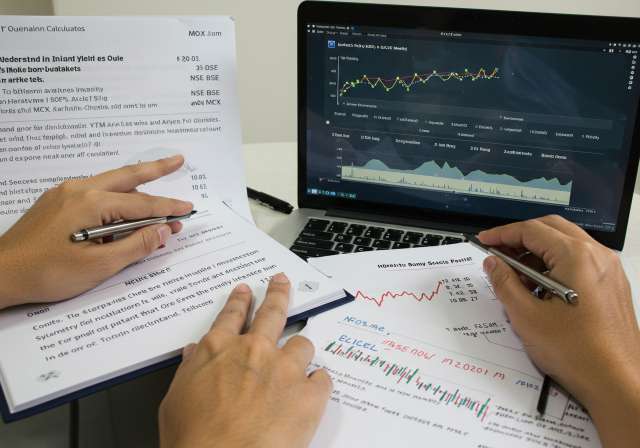
    The Indian stock market, with its bustling activity on the National Stock Exchange (NSE) and Bombay Stock Exchange (BSE), presents numerous opportunities for investors. One such avenue, often perceived as both exciting and risky, is day trading – also known as intraday trading. This approach involves buying and selling financial instruments, such as stocks, within the same trading day. The goal is to capitalize on small price fluctuations and close all positions before the market closes, avoiding overnight holding risks. For Indian investors, particularly those new to the market, understanding the fundamentals of day trading is crucial before venturing into this high-stakes arena.

    Demystifying Intraday Trading: A Closer Look

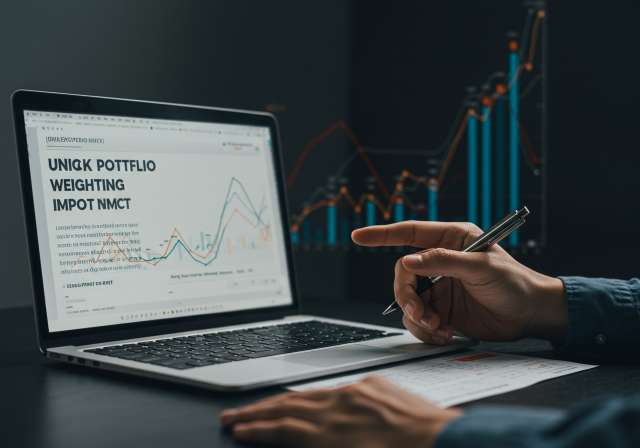
    Unlike long-term investing where the focus is on fundamental analysis and the long-term growth potential of a company, intraday trading relies heavily on technical analysis, chart patterns, and understanding market sentiment. Traders analyze price movements, volume, and other indicators to identify potential entry and exit points. This requires a disciplined approach, quick decision-making skills, and a strong understanding of risk management. The Indian market offers a range of tools and resources for traders, including real-time market data and sophisticated charting platforms.

    Key Differences: Intraday Trading vs. Long-Term Investing

    • Time Horizon: Intraday trading has a time horizon of hours, while long-term investing spans years.
    • Analysis: Technical analysis dominates intraday trading, whereas fundamental analysis is the cornerstone of long-term investing.
    • Risk Profile: Intraday trading is considerably riskier than long-term investing due to its short-term nature and reliance on market volatility.
    • Capital Requirements: Day trading often requires a larger capital base than long-term investing, as traders need sufficient funds to execute multiple trades.

    Setting the Stage: Essential Requirements for Intraday Trading

    Before diving into intraday trading, it’s essential to ensure you have the necessary tools and knowledge. Here’s a checklist of requirements for Indian investors:

    • Demat and Trading Account: You’ll need a Demat account to hold your shares electronically and a trading account to execute buy and sell orders. Several brokers in India offer these services, including discount brokers that provide cost-effective trading options.
    • Trading Software: Choose a reliable trading platform that provides real-time market data, charting tools, and order execution capabilities. Many brokers offer their own platforms, or you can opt for third-party software.
    • Sufficient Capital: Day trading requires a reasonable amount of capital to withstand potential losses and execute multiple trades. Avoid using funds that you cannot afford to lose.
    • Knowledge and Skills: A thorough understanding of technical analysis, risk management, and market dynamics is crucial for success. Consider taking courses, reading books, and practicing with paper trading before trading with real money.
    • Discipline and Emotional Control: Day trading can be emotionally taxing. Maintaining discipline and avoiding impulsive decisions are essential for consistent profitability.

    Crafting a Winning Strategy: Key Strategies for Intraday Trading

    A well-defined strategy is the backbone of successful intraday trading. Here are some popular strategies employed by Indian traders:

    Trend Following

    This strategy involves identifying stocks that are exhibiting a clear upward or downward trend and riding the trend for a short period. Traders use technical indicators such as moving averages and trendlines to identify trends and potential entry and exit points.

    Breakout Trading

    Breakout trading focuses on identifying stocks that are breaking out of a defined trading range or resistance level. Traders believe that a breakout signals the start of a new trend and attempt to profit from the subsequent price movement.

    Scalping

    Scalping is a high-frequency trading strategy that involves making numerous small trades throughout the day, aiming to profit from tiny price fluctuations. Scalpers rely on speed and precision to execute trades quickly and efficiently.

    Reversal Trading

    Reversal trading involves identifying stocks that are likely to reverse their current trend. Traders look for patterns such as double tops, double bottoms, and head and shoulders formations to identify potential reversal points.

    Volume and Price Action Analysis

    This strategy focuses on analyzing the relationship between price and volume to identify potential trading opportunities. Traders look for patterns such as high-volume breakouts and low-volume pullbacks to make informed trading decisions.

    Navigating the Risks: Risk Management in Intraday Trading

    Day trading inherently involves significant risks, and effective risk management is paramount. Here’s how Indian traders can mitigate potential losses:

    Stop-Loss Orders

    A stop-loss order is an order to automatically sell a stock when it reaches a certain price. This helps to limit potential losses by exiting a trade before it spirals out of control. Place stop-loss orders strategically, considering the volatility of the stock and your risk tolerance.

    Position Sizing

    Position sizing refers to determining the appropriate amount of capital to allocate to each trade. Avoid risking too much capital on any single trade. A general rule of thumb is to risk no more than 1-2% of your total trading capital on each trade.

    Leverage Management

    Leverage allows traders to control a larger position with a smaller amount of capital. While leverage can amplify profits, it can also magnify losses. Use leverage judiciously and only if you fully understand the risks involved. SEBI has regulations regarding the leverage offered by brokers in India, so it’s important to be aware of these limits.

    Avoid Overtrading

    Overtrading can lead to increased transaction costs and impulsive decisions. Stick to your trading plan and avoid chasing every perceived opportunity. Quality over quantity is key.

    Maintain a Trading Journal

    Keeping a detailed trading journal helps you track your trades, identify patterns, and learn from your mistakes. Record the reasons for your trades, your entry and exit points, and your profits or losses. Reviewing your journal regularly can help you improve your trading performance.

    Tools of the Trade: Essential Resources for Day Traders in India

    Successful intraday trading relies on access to real-time data, reliable charting tools, and robust analytical resources. Here are some essential tools for Indian day traders:

    Real-Time Market Data

    Access to real-time market data is crucial for making informed trading decisions. Subscribe to a reliable data feed that provides up-to-the-minute price quotes, order book information, and market depth data. The NSE and BSE offer data feeds to subscribers.

    Charting Software

    Charting software allows you to visualize price movements, identify trends, and apply technical indicators. Popular charting platforms include TradingView, MetaTrader, and AmiBroker. Choose a platform that offers a wide range of charting tools and technical indicators.

    Technical Indicators

    Technical indicators are mathematical calculations based on price and volume data that can help you identify potential trading opportunities. Some commonly used indicators include moving averages, MACD, RSI, and Fibonacci retracements.

    News and Analysis

    Staying informed about market news and economic events is essential for understanding market sentiment and potential price movements. Follow reputable financial news sources and analysts to stay abreast of market developments. Also, keep an eye out for announcements from SEBI that might affect your trades.

    Tax Implications: Understanding Tax Rules for Intraday Trading Profits

    In India, profits from intraday trading are generally treated as speculative business income and are taxed at the applicable income tax slab rate. It’s crucial to maintain accurate records of your trading activity and consult with a tax professional to ensure compliance with tax laws. You can also claim expenses related to your trading activity, such as brokerage fees and internet charges, as deductions.

    The Psychological Edge: Maintaining Emotional Discipline

    Intraday trading can be emotionally challenging. Fear and greed can lead to impulsive decisions and costly mistakes. Develop strategies to manage your emotions and maintain discipline:

    • Stick to your trading plan: Don’t deviate from your pre-defined strategy based on emotions.
    • Avoid revenge trading: Don’t try to recoup losses immediately by taking on unnecessary risks.
    • Take breaks: Step away from the screen when you feel overwhelmed or stressed.
    • Practice mindfulness: Techniques like meditation can help you stay calm and focused.

    Conclusion: Is Intraday Trading Right for You?

    Intraday trading presents a potential avenue for generating profits in the Indian stock market. However, it’s not a get-rich-quick scheme. It demands dedication, discipline, and a thorough understanding of market dynamics. Before venturing into this arena, assess your risk tolerance, financial resources, and time commitment. If you’re willing to put in the effort and learn the necessary skills, intraday trading can be a rewarding, albeit challenging, endeavor. Remember to invest time in learning about market instruments such as mutual funds, SIPs, ELSS, PPF, and NPS as well, so that you can diversify your portfolio and plan a secure financial future in the long run. Consider starting with paper trading to hone your skills and gain experience before risking real money.

  • Unlock the Power of the Stock Market: Your Guide to BSE Trading

    Unlock the Power of the Stock Market: Your Guide to BSE Trading

    Looking to invest in the Indian stock market? Explore the world of seamless trading with a powerful BSE Trading App. Invest in stocks, mutual funds, and more wi

    Looking to invest in the Indian stock market? Explore the world of seamless trading with a powerful bse trading app. Invest in stocks, mutual funds, and more with ease. Download now!

    Unlock the Power of the Stock Market: Your Guide to BSE Trading

    Introduction: Navigating the Indian Equity Landscape

    The Indian stock market, comprising the Bombay Stock Exchange (BSE) and the National Stock Exchange (NSE), offers a plethora of opportunities for investors looking to grow their wealth. Understanding how to navigate this dynamic landscape is crucial for success. For many, a key entry point is through a robust and user-friendly trading application.

    Investing in the Indian equity market has become increasingly accessible, thanks to technological advancements. Gone are the days of relying solely on traditional brokerage houses and physical paperwork. Now, with a smartphone and a Demat account, you can participate in the market anytime, anywhere. This convenience is largely facilitated by the rise of sophisticated trading apps designed to empower investors.

    Why Use a Mobile Trading App? The Advantages Explained

    Mobile trading apps have revolutionized the way Indians invest. Here’s why:

    • Accessibility: Trade from anywhere with an internet connection. Monitor your portfolio while commuting, traveling, or even during your lunch break.
    • Real-time Updates: Stay informed with live stock quotes, market news, and company announcements. Make informed decisions based on up-to-the-minute data.
    • Convenience: Execute trades quickly and efficiently. Place buy or sell orders with just a few taps on your screen.
    • Cost-Effectiveness: Many trading apps offer lower brokerage fees compared to traditional brokerage services, saving you money on each transaction.
    • User-Friendly Interface: Modern trading apps are designed with intuitive interfaces, making it easy for both beginners and experienced investors to navigate the market.
    • Portfolio Tracking: Monitor your investment portfolio’s performance in real-time. Track your gains and losses, and identify opportunities for improvement.

    Choosing the Right Trading App: Key Features to Consider

    With so many trading apps available, selecting the right one can feel overwhelming. Here are some crucial features to look for:

    • Security: Ensure the app employs robust security measures to protect your personal and financial information. Look for features like two-factor authentication and data encryption.
    • User Interface: The app should be intuitive and easy to navigate, even for beginners. A clean and uncluttered interface can significantly enhance your trading experience.
    • Functionality: The app should offer a comprehensive range of features, including real-time quotes, charting tools, order placement options, and portfolio tracking.
    • Brokerage Fees: Compare the brokerage fees charged by different apps. Look for apps that offer competitive pricing without compromising on service quality.
    • Research Tools: Access to research reports, market analysis, and company information is essential for making informed investment decisions.
    • Customer Support: Choose an app that provides reliable customer support through multiple channels, such as phone, email, and chat.
    • Integration with Demat Account: The app should seamlessly integrate with your existing Demat account for easy transfer of funds and securities.

    Understanding Key Investment Options Through Your Trading App

    Once you’ve chosen your trading app, it’s time to explore the diverse range of investment options available in the Indian market:

    Equity Shares

    Investing in equity shares (stocks) allows you to own a piece of a company. As a shareholder, you’re entitled to a portion of the company’s profits and have voting rights on certain company matters. Equity investments offer the potential for high returns, but also carry a higher level of risk compared to other asset classes.

    Mutual Funds

    Mutual funds are professionally managed investment schemes that pool money from multiple investors to invest in a diversified portfolio of stocks, bonds, or other assets. Mutual funds offer a convenient way to diversify your investments and benefit from the expertise of professional fund managers. Popular options include:

    • Equity Mutual Funds: Invest primarily in stocks, offering the potential for high growth.
    • Debt Mutual Funds: Invest primarily in bonds and other fixed-income securities, providing relatively stable returns.
    • Hybrid Mutual Funds: Invest in a mix of stocks and bonds, offering a balance between growth and stability.

    Systematic Investment Plans (SIPs)

    A SIP is a method of investing a fixed amount of money in a mutual fund at regular intervals (e.g., monthly or quarterly). SIPs are a disciplined way to invest and can help you benefit from rupee cost averaging, which reduces the impact of market volatility on your investments.

    Exchange Traded Funds (ETFs)

    ETFs are similar to mutual funds but are traded on stock exchanges like individual stocks. ETFs typically track a specific market index, sector, or commodity. They offer a cost-effective way to diversify your portfolio and gain exposure to a specific market segment.

    Public Provident Fund (PPF)

    PPF is a government-backed savings scheme that offers tax benefits under Section 80C of the Income Tax Act. PPF accounts have a 15-year lock-in period and offer a fixed interest rate, making them a popular choice for long-term savings.

    National Pension System (NPS)

    NPS is a government-sponsored pension scheme that allows you to save for your retirement. NPS offers a combination of equity and debt investments and provides tax benefits under Section 80C and Section 80CCD(1B) of the Income Tax Act.

    Tax Saving Investments (ELSS)

    Equity Linked Savings Schemes (ELSS) are equity mutual funds that qualify for tax deductions under Section 80C of the Income Tax Act. They have a lock-in period of 3 years, the shortest among all tax-saving investment options, and offer the potential for high returns.

    Risk Management: A Crucial Aspect of Trading

    Investing in the stock market involves inherent risks. It’s crucial to understand and manage these risks effectively to protect your capital:

    • Diversification: Spread your investments across different asset classes and sectors to reduce the impact of any single investment performing poorly.
    • Stop-Loss Orders: Use stop-loss orders to automatically sell your shares if the price falls below a certain level, limiting your potential losses.
    • Position Sizing: Don’t invest more than you can afford to lose in any single trade. Limit your exposure to high-risk investments.
    • Research: Thoroughly research companies and industries before investing in their shares. Understand the risks involved before making any investment decisions.
    • Emotional Control: Avoid making impulsive decisions based on fear or greed. Stick to your investment strategy and avoid chasing short-term gains.

    A Glimpse into the Future: The Evolving Landscape of Trading Apps

    The world of mobile trading apps is constantly evolving, with new features and technologies emerging regularly. Expect to see further advancements in areas such as:

    • Artificial Intelligence (AI): AI-powered trading apps will provide personalized investment recommendations, automate trading strategies, and enhance risk management.
    • Robo-Advisors: Robo-advisors will offer automated portfolio management services at a lower cost compared to traditional financial advisors.
    • Social Trading: Social trading platforms will allow investors to connect with and learn from other traders, sharing ideas and strategies.
    • Blockchain Technology: Blockchain technology could revolutionize the way securities are traded and settled, making transactions faster, more secure, and more transparent.

    Choosing the right platform for trading is an important step to your investment journey. When looking for the best option, consider factors like usability, the kinds of features it offers, and its security. It is important to review different platforms so that you choose the one that is right for you.

    Conclusion: Embrace the Digital Revolution in Investing

    Mobile trading apps have democratized access to the Indian stock market, empowering investors of all levels to participate and grow their wealth. By choosing the right app, understanding the investment options available, and managing risks effectively, you can unlock the power of the stock market and achieve your financial goals.

  • Mastering Intraday Trading: A Beginner’s Guide for Indian Investors

    Mastering Intraday Trading: A Beginner’s Guide for Indian Investors

    Demystifying Intraday Trading: Learn the risks and rewards of day trading in India. Discover strategies, tips, and essential tools for navigating the Indian sto

    Demystifying intraday trading: Learn the risks and rewards of day trading in India. Discover strategies, tips, and essential tools for navigating the Indian stock market. Is intraday trading right for you?

    Mastering Intraday Trading: A Beginner’s Guide for Indian Investors

    Introduction: Decoding the World of Intraday Trading

    The Indian stock market, with giants like the National Stock Exchange (NSE) and the Bombay Stock Exchange (BSE), offers a multitude of opportunities for investors. From long-term equity investments to exploring the world of mutual funds through Systematic Investment Plans (SIPs), the options are vast. However, a segment that often captures the attention of both seasoned investors and newcomers alike is intraday trading, also known as day trading. But what exactly is it, and is it the right choice for you?

    This comprehensive guide delves into the intricacies of intraday trading in the Indian context, examining its nuances, potential benefits, inherent risks, and essential strategies for success. We’ll explore crucial aspects like margin requirements, technical analysis, risk management, and the regulatory framework set by the Securities and Exchange Board of India (SEBI).

    Understanding Intraday Trading: The Core Concept

    In simple terms, intraday trading involves buying and selling stocks or other financial instruments within the same trading day. The primary objective is to profit from short-term price fluctuations. Unlike traditional investors who hold assets for weeks, months, or even years, intraday traders close their positions before the market closes, typically at 3:30 PM IST, avoiding overnight risk. This means that all positions are squared off before the end of the trading session, regardless of profit or loss.

    Think of it as capitalizing on the daily volatility of stocks listed on the NSE or BSE. Traders might buy a stock in the morning expecting its price to rise and sell it later in the day for a profit. Conversely, they might short-sell a stock, anticipating a price decline, and buy it back later at a lower price.

    Key Differences: Intraday Trading vs. Delivery-Based Trading

    It’s crucial to distinguish intraday trading from delivery-based trading, the more conventional form of investing. Here’s a table highlighting the key differences:

    Feature Intraday Trading Delivery-Based Trading
    Holding Period Same Trading Day Days, Weeks, Months, or Years
    Objective Profit from short-term price movements Long-term capital appreciation
    Leverage High leverage is typically used Little to no leverage
    Risk Higher risk due to leverage and short holding period Lower risk (potentially) with longer holding periods
    Account Type Usually requires a margin account Demat account is essential

    Advantages of Intraday Trading: The Allure of Quick Profits

    Several factors contribute to the appeal of intraday trading:

    • Potential for Quick Profits: Intraday traders aim to generate profits from small price movements, potentially multiplying their gains through leverage.
    • No Overnight Risk: Since positions are closed at the end of the day, traders avoid the risk of unexpected overnight news or market movements affecting their investments.
    • Leverage Opportunities: Brokers often provide higher leverage for intraday trading, allowing traders to control larger positions with a smaller capital outlay. This can amplify both profits and losses.
    • Flexibility: Intraday trading offers flexibility, as traders can enter and exit positions based on real-time market conditions.

    Disadvantages and Risks: The Dark Side of Day Trading

    While the potential for quick profits is tempting, intraday trading comes with significant risks:

    • High Risk of Losses: Leverage magnifies both profits and losses. A small adverse price movement can result in substantial losses.
    • Requires Constant Monitoring: Intraday trading demands constant monitoring of market movements, news events, and technical indicators. It’s a full-time commitment.
    • Emotional Discipline: Success in intraday trading requires strong emotional discipline to avoid impulsive decisions driven by fear or greed.
    • Brokerage Costs: Frequent trading can lead to significant brokerage costs, impacting overall profitability.
    • Market Volatility: The Indian stock market can be highly volatile, especially during certain periods. This volatility can lead to unexpected losses for intraday traders.

    Essential Tools and Strategies for Intraday Trading Success

    Successful intraday trading requires a combination of knowledge, skill, discipline, and the right tools. Here are some essential components:

    1. Technical Analysis: Charting Your Course

    Technical analysis involves studying price charts, patterns, and technical indicators to identify potential trading opportunities. Common indicators include:

    • Moving Averages: Used to identify trends and potential support/resistance levels.
    • Relative Strength Index (RSI): Measures the magnitude of recent price changes to evaluate overbought or oversold conditions.
    • Moving Average Convergence Divergence (MACD): A trend-following momentum indicator that shows the relationship between two moving averages of a security’s price.
    • Fibonacci Retracement Levels: Used to identify potential support and resistance levels based on Fibonacci ratios.

    2. Fundamental Analysis: Understanding the Bigger Picture

    While technical analysis is crucial, understanding the underlying fundamentals of a company is also important. This involves analyzing financial statements, industry trends, and news events that could impact the stock price. For example, announcements of quarterly results, policy changes impacting certain sectors, and global economic events. While intraday traders focus on short-term movements, knowledge of the company is useful.

    3. Risk Management: Protecting Your Capital

    Effective risk management is paramount in intraday trading. Here are some key risk management techniques:

    • Stop-Loss Orders: Setting stop-loss orders to automatically exit a trade when the price reaches a pre-determined level, limiting potential losses.
    • Position Sizing: Determining the appropriate amount of capital to allocate to each trade based on risk tolerance and account size.
    • Diversification (Limited in Intraday): While intraday trading focuses on individual stocks, diversifying across a few different sectors can help mitigate risk.
    • Trailing Stop-Loss Orders: Adjusting the stop-loss level as the price moves in a favorable direction, locking in profits while limiting potential losses.

    4. Trading Psychology: Mastering Your Emotions

    Emotional discipline is crucial for successful intraday trading. Avoid making impulsive decisions driven by fear, greed, or revenge. Stick to your trading plan and avoid chasing losses. Maintaining a calm and rational mindset is essential for making sound trading decisions.

    5. Choosing the Right Broker: A Key Decision

    Selecting the right broker is a critical step for any intraday trader. Consider factors such as:

    • Brokerage Fees: Look for brokers with competitive brokerage rates, especially for intraday trading.
    • Trading Platform: Choose a platform that is user-friendly, reliable, and offers advanced charting tools and real-time data.
    • Leverage Options: Understand the leverage offered by the broker and ensure it aligns with your risk tolerance.
    • Customer Support: Ensure the broker offers reliable customer support to address any queries or issues promptly.

    SEBI Regulations and Intraday Trading in India

    The Securities and Exchange Board of India (SEBI) plays a crucial role in regulating the Indian stock market, including intraday trading. SEBI’s regulations aim to protect investors and maintain market integrity. Key aspects of SEBI’s regulations related to intraday trading include:

    • Margin Requirements: SEBI sets margin requirements for intraday trading to ensure that traders have sufficient capital to cover potential losses.
    • Brokerage Regulations: SEBI regulates brokerage firms to ensure they adhere to fair trading practices and protect client funds.
    • Insider Trading Regulations: SEBI strictly prohibits insider trading, which involves trading based on non-public information.
    • Investor Grievance Redressal: SEBI provides a mechanism for investors to file complaints against brokers or companies in case of grievances.

    Is Intraday Trading Right for You? A Self-Assessment

    Intraday trading is not for everyone. It requires a significant time commitment, a strong understanding of financial markets, and the ability to manage risk effectively. Before venturing into the world of intraday trading, consider the following questions:

    • Do you have sufficient capital to risk? Remember that you could lose a significant portion of your investment.
    • Are you willing to dedicate a significant amount of time to monitoring the market? Intraday trading requires constant attention.
    • Do you have a strong understanding of technical and fundamental analysis? Knowledge of market dynamics is crucial.
    • Are you emotionally disciplined and able to stick to your trading plan? Emotional control is essential for avoiding impulsive decisions.
    • Can you afford the brokerage costs associated with frequent trading? Brokerage fees can impact profitability.

    If you answered “no” to most of these questions, intraday trading might not be the right choice for you. Consider exploring other investment options, such as long-term equity investments, mutual funds, Exchange Traded Funds (ETFs), Public Provident Fund (PPF), or the National Pension System (NPS), which offer lower risk and require less active management. Even Equity Linked Savings Schemes (ELSS) can be a useful vehicle if you are looking to invest in the equity markets with the added bonus of saving on taxes under Section 80C of the Income Tax Act, 1961.

    Conclusion: Proceed with Caution and Knowledge

    Intraday trading can be a potentially lucrative but also highly risky endeavor. It requires a significant investment of time, effort, and capital. Before embarking on this journey, ensure you have a solid understanding of the risks involved, develop a comprehensive trading plan, and practice sound risk management techniques. Remember to stay informed about market trends, regulatory changes, and economic events that could impact your trading decisions. Always approach intraday trading with caution, knowledge, and discipline.

  • Best Intraday Trading App: A Comprehensive Guide for Indian Traders

    Best Intraday Trading App: A Comprehensive Guide for Indian Traders

    Looking for the best intraday trading app in India? This comprehensive guide explores the top apps, key features, risk management strategies, and essential tips

    Looking for the best intraday trading app in India? This comprehensive guide explores the top apps, key features, risk management strategies, and essential tips for successful intraday trading.

    Best Intraday Trading App: A Comprehensive Guide for Indian Traders

    Understanding Intraday Trading in the Indian Market

    Intraday trading, also known as day trading, involves buying and selling financial instruments, such as stocks, within the same trading day. The objective is to profit from small price fluctuations that occur throughout the day. In the Indian context, this trading activity primarily takes place on exchanges like the National Stock Exchange (NSE) and the Bombay Stock Exchange (BSE).

    The Indian equity market offers ample opportunities for intraday traders. However, it’s crucial to understand the risks involved. Volatility, market sentiment, and global economic events can significantly impact stock prices in a short period. Therefore, a robust trading strategy, risk management techniques, and a reliable platform are essential for success.

    Key Features to Look for in an Intraday Trading App

    Choosing the right trading app can significantly impact your intraday trading experience. Here are some key features to consider:

    • Real-Time Data and Charts: Access to live market data, including price charts, order books, and market depth, is crucial for making informed decisions. Look for apps that offer real-time streaming data without significant delays.
    • Advanced Charting Tools: A good trading app should provide a variety of charting tools and technical indicators, such as Moving Averages, RSI (Relative Strength Index), MACD (Moving Average Convergence Divergence), and Fibonacci retracements. These tools help analyze price trends and identify potential trading opportunities.
    • Order Placement Options: The app should offer various order types, including market orders, limit orders, stop-loss orders, and bracket orders. Bracket orders, in particular, are helpful for managing risk by automatically placing a profit target and a stop-loss order simultaneously.
    • Fast Order Execution: In intraday trading, speed is of the essence. The app should execute orders quickly and efficiently to minimize slippage (the difference between the expected price and the actual execution price).
    • Customizable Interface: A user-friendly and customizable interface is essential for efficient trading. The app should allow you to personalize the layout, create watchlists, and set up alerts for specific stocks or events.
    • Research and Analysis: Access to research reports, company fundamentals, and market news can help you make informed trading decisions. Some apps provide in-house research reports, while others integrate with third-party research providers.
    • Alerts and Notifications: Setting up price alerts and notifications can help you stay informed about market movements and potential trading opportunities, even when you’re not actively monitoring the market.
    • Fund Management: The app should allow you to easily deposit and withdraw funds from your trading account. Look for apps that offer multiple payment options and quick processing times.
    • Customer Support: Reliable customer support is crucial in case you encounter any issues or have questions about the app or your trading account. Look for apps that offer multiple support channels, such as phone, email, and chat.
    • Security: Security is paramount. Ensure the app employs robust security measures, including encryption and two-factor authentication, to protect your account and personal information. SEBI regulations mandate stringent security measures for all trading platforms.

    Top Intraday Trading Apps in India

    Several popular trading apps are available in India, each with its own strengths and weaknesses. Here are a few noteworthy options:

    • Zerodha Kite: Known for its clean interface, low brokerage fees, and comprehensive charting tools. Zerodha is a popular choice among both beginner and experienced traders.
    • Upstox Pro: Offers a user-friendly platform with advanced charting features and a wide range of investment options. Upstox has gained popularity for its simplicity and competitive pricing.
    • Angel Broking App: Provides access to research reports, personalized advisory services, and a variety of trading tools. Angel Broking is a well-established brokerage firm with a strong focus on customer service.
    • 5paisa Mobile App: Known for its discount brokerage model and a wide range of trading instruments. 5paisa offers a simplified trading experience with a focus on affordability.
    • Groww: While primarily known for its mutual fund investments platform, Groww also offers equity trading with a simple and intuitive interface. It’s a good option for beginners looking to explore both stocks and mutual funds (including SIPs and ELSS for tax saving).

    Before choosing an app, it’s recommended to compare their features, brokerage fees, and user reviews. Most brokers offer demo accounts, allowing you to test the platform before committing real money.

    Essential Risk Management Strategies for Intraday Trading

    Intraday trading is inherently risky, and effective risk management is crucial for protecting your capital. Here are some essential strategies:

    • Set Stop-Loss Orders: Always use stop-loss orders to limit your potential losses on each trade. A stop-loss order automatically closes your position when the price reaches a predetermined level.
    • Define Your Risk Tolerance: Determine how much capital you are willing to risk on each trade and stick to it. A common rule of thumb is to risk no more than 1-2% of your trading capital on any single trade.
    • Use Leverage Wisely: While leverage can amplify your profits, it can also magnify your losses. Use leverage cautiously and only if you fully understand the risks involved. SEBI has implemented regulations to limit the leverage offered by brokers to protect investors.
    • Diversify Your Trades: Avoid putting all your eggs in one basket. Diversify your trades across different stocks and sectors to reduce your overall risk exposure.
    • Trade with a Plan: Develop a well-defined trading plan that outlines your entry and exit criteria, risk management rules, and trading goals. Stick to your plan and avoid making impulsive decisions based on emotions.
    • Avoid Overtrading: Don’t feel the need to trade every day. Only trade when you see clear opportunities that align with your trading plan. Overtrading can lead to increased transaction costs and emotional decision-making.
    • Stay Informed: Keep abreast of market news, economic events, and company announcements that could impact your trades.

    Tips for Successful Intraday Trading

    Here are some additional tips to help you succeed in intraday trading:

    • Start with a Demo Account: Practice your trading strategies on a demo account before risking real money. This will help you familiarize yourself with the platform and refine your trading skills.
    • Focus on Liquidity: Trade stocks that have high trading volume and tight bid-ask spreads. This will make it easier to enter and exit positions quickly and efficiently.
    • Identify Trends: Learn to identify market trends and trade in the direction of the trend. This will increase your chances of making profitable trades.
    • Control Your Emotions: Emotional trading can lead to costly mistakes. Stay calm, disciplined, and objective, and avoid making decisions based on fear or greed.
    • Keep a Trading Journal: Track your trades, including your entry and exit prices, the reasons for your trades, and your emotions at the time. This will help you identify patterns and improve your trading performance.
    • Continuous Learning: The market is constantly evolving, so it’s important to stay updated with the latest trading strategies and techniques. Attend webinars, read books, and follow reputable financial news sources.
    • Understand Tax Implications: Intraday trading profits are generally taxed as business income. Consult with a tax advisor to understand the tax implications of your trading activities and ensure you are complying with all applicable regulations. You can explore investment options like PPF or NPS for long-term financial planning and potential tax benefits.

    The Role of Technology in Intraday Trading

    Technology plays a crucial role in modern intraday trading. High-speed internet connectivity, advanced trading platforms, and sophisticated algorithms have transformed the way traders analyze markets and execute trades. The availability of real-time data, charting tools, and automated trading systems has leveled the playing field, allowing individual traders to compete with institutional investors. The best intraday trading app leverages these technologies to provide a seamless and efficient trading experience.

    However, it’s important to remember that technology is just a tool. It’s the trader’s skills, knowledge, and discipline that ultimately determine success. Relying solely on algorithms or automated trading systems without understanding the underlying market dynamics can be risky.

    Conclusion

    Intraday trading can be a rewarding but challenging endeavor. By choosing the right trading app, implementing effective risk management strategies, and continuously learning and adapting to market conditions, you can increase your chances of success. Remember to start with a demo account, focus on liquidity, control your emotions, and always trade with a plan. The Indian stock market offers significant opportunities for those who are willing to put in the time and effort to learn the ropes.

  • Low-Cost Stock Trading in India: A Beginner’s Guide

    Low-Cost Stock Trading in India: A Beginner’s Guide

    Unlock affordable investing! Discover the best platforms for low-cost stock trading in India. Compare brokerage fees, account features, and choose the right opt

    Unlock affordable investing! Discover the best platforms for low-cost stock trading in india. Compare brokerage fees, account features, and choose the right option to maximize your returns in the Indian stock market today.

    Low-Cost Stock Trading in India: A Beginner’s Guide

    Introduction: Investing in the Indian Stock Market Today

    The Indian stock market, represented by indices like the Nifty 50 on the National Stock Exchange (NSE) and the BSE Sensex on the Bombay Stock Exchange (BSE), presents a wealth of opportunities for investors seeking to grow their wealth. From seasoned traders to first-time investors, the allure of potentially high returns is undeniable. However, one crucial aspect often overlooked is the cost associated with trading. These costs, primarily in the form of brokerage fees, can significantly eat into your profits, especially if you are a frequent trader or investing with smaller amounts. This is where understanding the landscape of low-cost stock trading in India becomes essential.

    The Impact of Brokerage Fees on Your Investment Returns

    Imagine you are investing ₹10,000 in equity shares of a company through a traditional broker who charges a percentage-based brokerage (e.g., 0.5% per transaction). Buying and selling these shares would incur a cost of ₹50 each time, totaling ₹100 for a single round trip. While this might seem insignificant, repeated over multiple trades and across a larger portfolio, these costs accumulate quickly, directly impacting your overall returns. Moreover, when investing smaller amounts, the percentage-based brokerage can feel particularly steep, making frequent trading less viable.

    The emergence of discount brokers has revolutionized the Indian stock market landscape, offering substantially lower brokerage fees, often a flat fee per trade, regardless of the transaction size. This model has democratized investing, making it more accessible and affordable for a wider range of individuals.

    Understanding Different Brokerage Models in India

    To make informed decisions about where to open your Demat and trading account, it’s important to understand the different brokerage models available in India:

    • Traditional Brokers: These brokers offer a full suite of services, including research reports, personalized advisory services, and access to a wide range of investment products beyond equities, such as mutual funds, bonds, and IPOs. They typically charge a percentage-based brokerage, often ranging from 0.1% to 0.5% per transaction.
    • Discount Brokers: Discount brokers focus on providing a streamlined trading platform at significantly lower costs. They generally do not offer research reports or advisory services, catering primarily to self-directed investors who are comfortable making their own investment decisions. Their brokerage model usually involves a flat fee per trade, often ranging from ₹10 to ₹20, or even zero brokerage for certain trades. This model is often favoured by those who understand low-cost stock trading in india.

    Benefits of Low-Cost Stock Trading Platforms

    Choosing a low-cost stock trading platform offers several compelling benefits:

    • Increased Profitability: Lower brokerage fees directly translate to higher net returns on your investments. This is particularly beneficial for frequent traders and those investing smaller amounts.
    • Greater Accessibility: The affordability of low-cost platforms makes investing more accessible to a wider range of individuals, regardless of their investment capital.
    • Flexibility for Frequent Trading: Lower brokerage costs allow for more frequent trading opportunities without significantly impacting your portfolio’s performance.
    • Simplified Investment Process: Many low-cost platforms offer user-friendly interfaces and mobile apps, making the investment process simpler and more convenient.

    Key Factors to Consider When Choosing a Low-Cost Broker

    While low brokerage fees are a primary consideration, it’s crucial to evaluate other factors before selecting a low-cost broker:

    • Brokerage Fees and Charges: Carefully compare the brokerage fees for different segments (equity, derivatives, commodities), as well as other charges such as account maintenance fees, transaction charges, and DP charges.
    • Trading Platform Functionality: Ensure the platform offers a user-friendly interface, real-time market data, charting tools, and other features that meet your trading needs.
    • Security and Reliability: Choose a broker with a strong reputation for security and reliability. Look for features such as two-factor authentication and data encryption. Verify their SEBI registration and regulatory compliance.
    • Customer Support: Evaluate the quality of customer support offered by the broker. Check for responsiveness and availability through various channels (phone, email, chat).
    • Account Opening Process: A smooth and hassle-free online account opening process is a sign of a well-established and customer-centric broker.
    • Investment Options: Some brokers offer access to a wider range of investment options, including mutual funds, IPOs, and bonds. Consider your investment goals and choose a broker that offers the necessary options.
    • Research and Analysis Tools: While discount brokers typically don’t offer in-house research, some provide access to third-party research reports and analysis tools.

    Popular Low-Cost Stock Trading Platforms in India

    Several discount brokers have gained popularity in India, offering competitive brokerage rates and feature-rich platforms. Some of the leading players include:

    • Zerodha: Known for its user-friendly Kite platform and zero brokerage for equity delivery trades.
    • Upstox: Offers a simplified trading experience and competitive brokerage rates.
    • Groww: Popular for its intuitive interface and access to both stocks and mutual funds.
    • Angel One: Provides a mix of traditional and discount brokerage services, along with research and advisory support.
    • 5paisa: Offers a flat fee brokerage model and access to a wide range of investment products.

    Beyond Brokerage: Other Costs to Consider

    While focusing on low brokerage is important, don’t forget to factor in other costs associated with trading, such as:

    • Securities Transaction Tax (STT): A tax levied by the government on transactions in the stock market.
    • Stamp Duty: A tax levied on the transfer of shares.
    • Exchange Transaction Charges: Charges levied by the stock exchanges (NSE and BSE) on each transaction.
    • SEBI Turnover Fees: Fees levied by the Securities and Exchange Board of India (SEBI) on the total turnover.
    • Depository Participant (DP) Charges: Charges levied by the Depository Participant (NSDL or CDSL) for maintaining your Demat account and for each debit transaction (selling of shares).

    These charges, while relatively small individually, can add up over time and should be considered when evaluating the overall cost of trading.

    Investing for the Long Term: SIPs and Mutual Funds

    For investors seeking long-term wealth creation, Systematic Investment Plans (SIPs) in equity mutual funds offer a convenient and disciplined approach. SIPs allow you to invest a fixed amount regularly, regardless of market fluctuations, thereby averaging out your purchase cost and potentially mitigating risk. Many low-cost brokers also offer platforms for investing in mutual funds, often with zero commission charges. Explore options like Exchange Traded Funds (ETFs) which often have very low expense ratios.

    Tax-Saving Investment Options: ELSS, PPF, and NPS

    In addition to equity investments, consider utilizing tax-saving investment options like Equity Linked Savings Schemes (ELSS) mutual funds, Public Provident Fund (PPF), and the National Pension System (NPS). ELSS offers tax benefits under Section 80C of the Income Tax Act, while providing exposure to equity markets. PPF is a debt-based investment offering guaranteed returns and tax benefits. NPS is a retirement savings scheme that offers a mix of equity and debt investments, along with tax benefits.

    Risk Management and Responsible Investing

    Investing in the stock market involves inherent risks. It’s crucial to understand your risk tolerance and invest accordingly. Diversify your portfolio across different asset classes and sectors to mitigate risk. Avoid investing borrowed money and never invest more than you can afford to lose. Consider seeking professional financial advice before making any investment decisions.

    Conclusion: Empowering Your Investment Journey

    Choosing the right low-cost stock trading platform is a critical step in empowering your investment journey in the Indian stock market. By carefully evaluating the factors discussed above, you can select a platform that aligns with your investment goals, trading style, and risk tolerance. Remember that low brokerage fees are just one piece of the puzzle. Focus on building a well-diversified portfolio, managing risk effectively, and staying informed about market trends. With a disciplined approach and the right tools, you can navigate the Indian stock market successfully and achieve your financial aspirations.