Tag: day trading tips

  • Intraday Trading: A Beginner’s Guide to Day Trading in India

    Intraday Trading: A Beginner’s Guide to Day Trading in India

    Unlock the secrets of intraday trading! This guide reveals strategies, risks, and essential tips for navigating the Indian stock market. Learn how to potentiall

    Unlock the secrets of intraday trading! This guide reveals strategies, risks, and essential tips for navigating the Indian stock market. Learn how to potentially profit, manage risk, and make informed decisions with this comprehensive intraday trading resource.

    Intraday Trading: A Beginner’s Guide to Day Trading in India

    Introduction: Grasping the Essentials of Day Trading

    The Indian stock market, with its bustling activity on the National Stock Exchange (NSE) and Bombay Stock Exchange (BSE), presents numerous opportunities for investors. One such avenue, often perceived as both exciting and risky, is day trading – also known as intraday trading. This approach involves buying and selling financial instruments, such as stocks, within the same trading day. The goal is to capitalize on small price fluctuations and close all positions before the market closes, avoiding overnight holding risks. For Indian investors, particularly those new to the market, understanding the fundamentals of day trading is crucial before venturing into this high-stakes arena.

    Demystifying Intraday Trading: A Closer Look

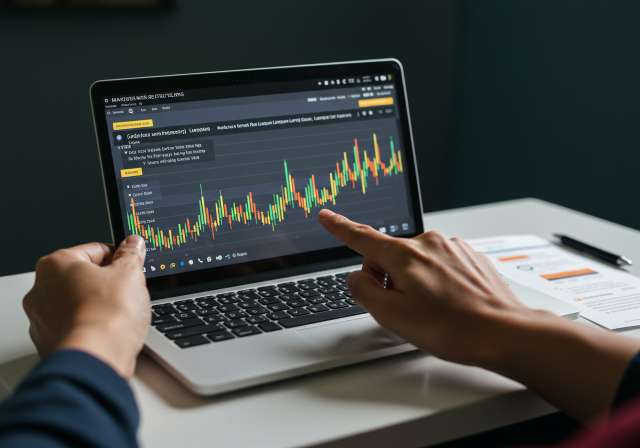
    Unlike long-term investing where the focus is on fundamental analysis and the long-term growth potential of a company, intraday trading relies heavily on technical analysis, chart patterns, and understanding market sentiment. Traders analyze price movements, volume, and other indicators to identify potential entry and exit points. This requires a disciplined approach, quick decision-making skills, and a strong understanding of risk management. The Indian market offers a range of tools and resources for traders, including real-time market data and sophisticated charting platforms.

    Key Differences: Intraday Trading vs. Long-Term Investing

    • Time Horizon: Intraday trading has a time horizon of hours, while long-term investing spans years.
    • Analysis: Technical analysis dominates intraday trading, whereas fundamental analysis is the cornerstone of long-term investing.
    • Risk Profile: Intraday trading is considerably riskier than long-term investing due to its short-term nature and reliance on market volatility.
    • Capital Requirements: Day trading often requires a larger capital base than long-term investing, as traders need sufficient funds to execute multiple trades.

    Setting the Stage: Essential Requirements for Intraday Trading

    Before diving into intraday trading, it’s essential to ensure you have the necessary tools and knowledge. Here’s a checklist of requirements for Indian investors:

    • Demat and Trading Account: You’ll need a Demat account to hold your shares electronically and a trading account to execute buy and sell orders. Several brokers in India offer these services, including discount brokers that provide cost-effective trading options.
    • Trading Software: Choose a reliable trading platform that provides real-time market data, charting tools, and order execution capabilities. Many brokers offer their own platforms, or you can opt for third-party software.
    • Sufficient Capital: Day trading requires a reasonable amount of capital to withstand potential losses and execute multiple trades. Avoid using funds that you cannot afford to lose.
    • Knowledge and Skills: A thorough understanding of technical analysis, risk management, and market dynamics is crucial for success. Consider taking courses, reading books, and practicing with paper trading before trading with real money.
    • Discipline and Emotional Control: Day trading can be emotionally taxing. Maintaining discipline and avoiding impulsive decisions are essential for consistent profitability.

    Crafting a Winning Strategy: Key Strategies for Intraday Trading

    A well-defined strategy is the backbone of successful intraday trading. Here are some popular strategies employed by Indian traders:

    Trend Following

    This strategy involves identifying stocks that are exhibiting a clear upward or downward trend and riding the trend for a short period. Traders use technical indicators such as moving averages and trendlines to identify trends and potential entry and exit points.

    Breakout Trading

    Breakout trading focuses on identifying stocks that are breaking out of a defined trading range or resistance level. Traders believe that a breakout signals the start of a new trend and attempt to profit from the subsequent price movement.

    Scalping

    Scalping is a high-frequency trading strategy that involves making numerous small trades throughout the day, aiming to profit from tiny price fluctuations. Scalpers rely on speed and precision to execute trades quickly and efficiently.

    Reversal Trading

    Reversal trading involves identifying stocks that are likely to reverse their current trend. Traders look for patterns such as double tops, double bottoms, and head and shoulders formations to identify potential reversal points.

    Volume and Price Action Analysis

    This strategy focuses on analyzing the relationship between price and volume to identify potential trading opportunities. Traders look for patterns such as high-volume breakouts and low-volume pullbacks to make informed trading decisions.

    Navigating the Risks: Risk Management in Intraday Trading

    Day trading inherently involves significant risks, and effective risk management is paramount. Here’s how Indian traders can mitigate potential losses:

    Stop-Loss Orders

    A stop-loss order is an order to automatically sell a stock when it reaches a certain price. This helps to limit potential losses by exiting a trade before it spirals out of control. Place stop-loss orders strategically, considering the volatility of the stock and your risk tolerance.

    Position Sizing

    Position sizing refers to determining the appropriate amount of capital to allocate to each trade. Avoid risking too much capital on any single trade. A general rule of thumb is to risk no more than 1-2% of your total trading capital on each trade.

    Leverage Management

    Leverage allows traders to control a larger position with a smaller amount of capital. While leverage can amplify profits, it can also magnify losses. Use leverage judiciously and only if you fully understand the risks involved. SEBI has regulations regarding the leverage offered by brokers in India, so it’s important to be aware of these limits.

    Avoid Overtrading

    Overtrading can lead to increased transaction costs and impulsive decisions. Stick to your trading plan and avoid chasing every perceived opportunity. Quality over quantity is key.

    Maintain a Trading Journal

    Keeping a detailed trading journal helps you track your trades, identify patterns, and learn from your mistakes. Record the reasons for your trades, your entry and exit points, and your profits or losses. Reviewing your journal regularly can help you improve your trading performance.

    Tools of the Trade: Essential Resources for Day Traders in India

    Successful intraday trading relies on access to real-time data, reliable charting tools, and robust analytical resources. Here are some essential tools for Indian day traders:

    Real-Time Market Data

    Access to real-time market data is crucial for making informed trading decisions. Subscribe to a reliable data feed that provides up-to-the-minute price quotes, order book information, and market depth data. The NSE and BSE offer data feeds to subscribers.

    Charting Software

    Charting software allows you to visualize price movements, identify trends, and apply technical indicators. Popular charting platforms include TradingView, MetaTrader, and AmiBroker. Choose a platform that offers a wide range of charting tools and technical indicators.

    Technical Indicators

    Technical indicators are mathematical calculations based on price and volume data that can help you identify potential trading opportunities. Some commonly used indicators include moving averages, MACD, RSI, and Fibonacci retracements.

    News and Analysis

    Staying informed about market news and economic events is essential for understanding market sentiment and potential price movements. Follow reputable financial news sources and analysts to stay abreast of market developments. Also, keep an eye out for announcements from SEBI that might affect your trades.

    Tax Implications: Understanding Tax Rules for Intraday Trading Profits

    In India, profits from intraday trading are generally treated as speculative business income and are taxed at the applicable income tax slab rate. It’s crucial to maintain accurate records of your trading activity and consult with a tax professional to ensure compliance with tax laws. You can also claim expenses related to your trading activity, such as brokerage fees and internet charges, as deductions.

    The Psychological Edge: Maintaining Emotional Discipline

    Intraday trading can be emotionally challenging. Fear and greed can lead to impulsive decisions and costly mistakes. Develop strategies to manage your emotions and maintain discipline:

    • Stick to your trading plan: Don’t deviate from your pre-defined strategy based on emotions.
    • Avoid revenge trading: Don’t try to recoup losses immediately by taking on unnecessary risks.
    • Take breaks: Step away from the screen when you feel overwhelmed or stressed.
    • Practice mindfulness: Techniques like meditation can help you stay calm and focused.

    Conclusion: Is Intraday Trading Right for You?

    Intraday trading presents a potential avenue for generating profits in the Indian stock market. However, it’s not a get-rich-quick scheme. It demands dedication, discipline, and a thorough understanding of market dynamics. Before venturing into this arena, assess your risk tolerance, financial resources, and time commitment. If you’re willing to put in the effort and learn the necessary skills, intraday trading can be a rewarding, albeit challenging, endeavor. Remember to invest time in learning about market instruments such as mutual funds, SIPs, ELSS, PPF, and NPS as well, so that you can diversify your portfolio and plan a secure financial future in the long run. Consider starting with paper trading to hone your skills and gain experience before risking real money.

  • Mastering Intraday Trading: A Beginner’s Guide for Indian Investors

    Mastering Intraday Trading: A Beginner’s Guide for Indian Investors

    Demystifying Intraday Trading: Learn the risks and rewards of day trading in India. Discover strategies, tips, and essential tools for navigating the Indian sto

    Demystifying intraday trading: Learn the risks and rewards of day trading in India. Discover strategies, tips, and essential tools for navigating the Indian stock market. Is intraday trading right for you?

    Mastering Intraday Trading: A Beginner’s Guide for Indian Investors

    Introduction: Decoding the World of Intraday Trading

    The Indian stock market, with giants like the National Stock Exchange (NSE) and the Bombay Stock Exchange (BSE), offers a multitude of opportunities for investors. From long-term equity investments to exploring the world of mutual funds through Systematic Investment Plans (SIPs), the options are vast. However, a segment that often captures the attention of both seasoned investors and newcomers alike is intraday trading, also known as day trading. But what exactly is it, and is it the right choice for you?

    This comprehensive guide delves into the intricacies of intraday trading in the Indian context, examining its nuances, potential benefits, inherent risks, and essential strategies for success. We’ll explore crucial aspects like margin requirements, technical analysis, risk management, and the regulatory framework set by the Securities and Exchange Board of India (SEBI).

    Understanding Intraday Trading: The Core Concept

    In simple terms, intraday trading involves buying and selling stocks or other financial instruments within the same trading day. The primary objective is to profit from short-term price fluctuations. Unlike traditional investors who hold assets for weeks, months, or even years, intraday traders close their positions before the market closes, typically at 3:30 PM IST, avoiding overnight risk. This means that all positions are squared off before the end of the trading session, regardless of profit or loss.

    Think of it as capitalizing on the daily volatility of stocks listed on the NSE or BSE. Traders might buy a stock in the morning expecting its price to rise and sell it later in the day for a profit. Conversely, they might short-sell a stock, anticipating a price decline, and buy it back later at a lower price.

    Key Differences: Intraday Trading vs. Delivery-Based Trading

    It’s crucial to distinguish intraday trading from delivery-based trading, the more conventional form of investing. Here’s a table highlighting the key differences:

    Feature Intraday Trading Delivery-Based Trading
    Holding Period Same Trading Day Days, Weeks, Months, or Years
    Objective Profit from short-term price movements Long-term capital appreciation
    Leverage High leverage is typically used Little to no leverage
    Risk Higher risk due to leverage and short holding period Lower risk (potentially) with longer holding periods
    Account Type Usually requires a margin account Demat account is essential

    Advantages of Intraday Trading: The Allure of Quick Profits

    Several factors contribute to the appeal of intraday trading:

    • Potential for Quick Profits: Intraday traders aim to generate profits from small price movements, potentially multiplying their gains through leverage.
    • No Overnight Risk: Since positions are closed at the end of the day, traders avoid the risk of unexpected overnight news or market movements affecting their investments.
    • Leverage Opportunities: Brokers often provide higher leverage for intraday trading, allowing traders to control larger positions with a smaller capital outlay. This can amplify both profits and losses.
    • Flexibility: Intraday trading offers flexibility, as traders can enter and exit positions based on real-time market conditions.

    Disadvantages and Risks: The Dark Side of Day Trading

    While the potential for quick profits is tempting, intraday trading comes with significant risks:

    • High Risk of Losses: Leverage magnifies both profits and losses. A small adverse price movement can result in substantial losses.
    • Requires Constant Monitoring: Intraday trading demands constant monitoring of market movements, news events, and technical indicators. It’s a full-time commitment.
    • Emotional Discipline: Success in intraday trading requires strong emotional discipline to avoid impulsive decisions driven by fear or greed.
    • Brokerage Costs: Frequent trading can lead to significant brokerage costs, impacting overall profitability.
    • Market Volatility: The Indian stock market can be highly volatile, especially during certain periods. This volatility can lead to unexpected losses for intraday traders.

    Essential Tools and Strategies for Intraday Trading Success

    Successful intraday trading requires a combination of knowledge, skill, discipline, and the right tools. Here are some essential components:

    1. Technical Analysis: Charting Your Course

    Technical analysis involves studying price charts, patterns, and technical indicators to identify potential trading opportunities. Common indicators include:

    • Moving Averages: Used to identify trends and potential support/resistance levels.
    • Relative Strength Index (RSI): Measures the magnitude of recent price changes to evaluate overbought or oversold conditions.
    • Moving Average Convergence Divergence (MACD): A trend-following momentum indicator that shows the relationship between two moving averages of a security’s price.
    • Fibonacci Retracement Levels: Used to identify potential support and resistance levels based on Fibonacci ratios.

    2. Fundamental Analysis: Understanding the Bigger Picture

    While technical analysis is crucial, understanding the underlying fundamentals of a company is also important. This involves analyzing financial statements, industry trends, and news events that could impact the stock price. For example, announcements of quarterly results, policy changes impacting certain sectors, and global economic events. While intraday traders focus on short-term movements, knowledge of the company is useful.

    3. Risk Management: Protecting Your Capital

    Effective risk management is paramount in intraday trading. Here are some key risk management techniques:

    • Stop-Loss Orders: Setting stop-loss orders to automatically exit a trade when the price reaches a pre-determined level, limiting potential losses.
    • Position Sizing: Determining the appropriate amount of capital to allocate to each trade based on risk tolerance and account size.
    • Diversification (Limited in Intraday): While intraday trading focuses on individual stocks, diversifying across a few different sectors can help mitigate risk.
    • Trailing Stop-Loss Orders: Adjusting the stop-loss level as the price moves in a favorable direction, locking in profits while limiting potential losses.

    4. Trading Psychology: Mastering Your Emotions

    Emotional discipline is crucial for successful intraday trading. Avoid making impulsive decisions driven by fear, greed, or revenge. Stick to your trading plan and avoid chasing losses. Maintaining a calm and rational mindset is essential for making sound trading decisions.

    5. Choosing the Right Broker: A Key Decision

    Selecting the right broker is a critical step for any intraday trader. Consider factors such as:

    • Brokerage Fees: Look for brokers with competitive brokerage rates, especially for intraday trading.
    • Trading Platform: Choose a platform that is user-friendly, reliable, and offers advanced charting tools and real-time data.
    • Leverage Options: Understand the leverage offered by the broker and ensure it aligns with your risk tolerance.
    • Customer Support: Ensure the broker offers reliable customer support to address any queries or issues promptly.

    SEBI Regulations and Intraday Trading in India

    The Securities and Exchange Board of India (SEBI) plays a crucial role in regulating the Indian stock market, including intraday trading. SEBI’s regulations aim to protect investors and maintain market integrity. Key aspects of SEBI’s regulations related to intraday trading include:

    • Margin Requirements: SEBI sets margin requirements for intraday trading to ensure that traders have sufficient capital to cover potential losses.
    • Brokerage Regulations: SEBI regulates brokerage firms to ensure they adhere to fair trading practices and protect client funds.
    • Insider Trading Regulations: SEBI strictly prohibits insider trading, which involves trading based on non-public information.
    • Investor Grievance Redressal: SEBI provides a mechanism for investors to file complaints against brokers or companies in case of grievances.

    Is Intraday Trading Right for You? A Self-Assessment

    Intraday trading is not for everyone. It requires a significant time commitment, a strong understanding of financial markets, and the ability to manage risk effectively. Before venturing into the world of intraday trading, consider the following questions:

    • Do you have sufficient capital to risk? Remember that you could lose a significant portion of your investment.
    • Are you willing to dedicate a significant amount of time to monitoring the market? Intraday trading requires constant attention.
    • Do you have a strong understanding of technical and fundamental analysis? Knowledge of market dynamics is crucial.
    • Are you emotionally disciplined and able to stick to your trading plan? Emotional control is essential for avoiding impulsive decisions.
    • Can you afford the brokerage costs associated with frequent trading? Brokerage fees can impact profitability.

    If you answered “no” to most of these questions, intraday trading might not be the right choice for you. Consider exploring other investment options, such as long-term equity investments, mutual funds, Exchange Traded Funds (ETFs), Public Provident Fund (PPF), or the National Pension System (NPS), which offer lower risk and require less active management. Even Equity Linked Savings Schemes (ELSS) can be a useful vehicle if you are looking to invest in the equity markets with the added bonus of saving on taxes under Section 80C of the Income Tax Act, 1961.

    Conclusion: Proceed with Caution and Knowledge

    Intraday trading can be a potentially lucrative but also highly risky endeavor. It requires a significant investment of time, effort, and capital. Before embarking on this journey, ensure you have a solid understanding of the risks involved, develop a comprehensive trading plan, and practice sound risk management techniques. Remember to stay informed about market trends, regulatory changes, and economic events that could impact your trading decisions. Always approach intraday trading with caution, knowledge, and discipline.

  • Intraday Trading: A Comprehensive Guide for Indian Investors

    Intraday Trading: A Comprehensive Guide for Indian Investors

    Unlock the secrets of intraday trading! Learn how to navigate the Indian stock market, minimize risks, and potentially profit in a single day. Explore strategie

    Unlock the secrets of intraday trading! Learn how to navigate the Indian stock market, minimize risks, and potentially profit in a single day. Explore strategies, tools, and tips for successful intraday trades on NSE & BSE. Start your journey today!

    Intraday Trading: A Comprehensive Guide for Indian Investors

    Introduction: Decoding the World of Intraday Trading

    The Indian stock market, with its vibrant exchanges like the NSE (National Stock Exchange) and BSE (Bombay Stock Exchange), offers numerous avenues for investors to grow their wealth. One such avenue, known for its high-risk, high-reward potential, is intraday trading. This form of trading involves buying and selling stocks within the same trading day, aiming to profit from small price movements. Unlike long-term investing where you might hold stocks for months or years, intraday trading requires quick decision-making, sharp analysis, and a disciplined approach.

    Understanding the Basics: How Intraday Trading Works

    In essence, intraday trading relies on taking advantage of short-term price fluctuations. Traders analyze various factors, including technical indicators, news events, and market sentiment, to predict whether a stock’s price will rise or fall during the day. If they anticipate a price increase, they buy the stock (go long); if they expect a decrease, they sell the stock (go short). The goal is to close out all positions before the market closes, avoiding overnight risk. This means buying and selling the same stock, or selling and then buying it back (in the case of short selling), all within the same trading session.

    Key Differences: Intraday Trading vs. Delivery-Based Trading

    It’s crucial to distinguish between intraday trading and delivery-based trading. Here’s a breakdown:

    • Holding Period: Intraday trades are squared off within the same day. Delivery-based trades involve holding the shares for a longer period, potentially days, weeks, or even years.
    • Profit Motive: Intraday traders aim to profit from small price movements. Delivery-based investors seek long-term capital appreciation and dividends.
    • Risk Level: Intraday trading is considered significantly riskier due to its short-term nature and reliance on market volatility. Delivery-based trading carries lower risk, particularly when investing in fundamentally strong companies.
    • Capital Requirement: While both require capital, intraday trading often allows for higher leverage, meaning you can trade with more capital than you actually have. However, higher leverage also amplifies potential losses.

    Strategies for Successful Intraday Trading

    Successful intraday trading requires a well-defined strategy and disciplined execution. Here are some popular strategies:

    1. Trend Following: Riding the Wave

    This strategy involves identifying stocks that are exhibiting a clear upward or downward trend and trading in the direction of that trend. Technical indicators like moving averages and Relative Strength Index (RSI) are commonly used to identify trends.

    2. Breakout Trading: Capitalizing on Price Breakthroughs

    Breakout trading focuses on stocks that are breaking through established resistance levels (price points that the stock has struggled to surpass) or support levels (price points that the stock has struggled to fall below). Traders anticipate that a breakout will lead to a significant price movement in the direction of the breakout.

    3. Scalping: Small Profits, Frequent Trades

    Scalping is a high-frequency trading strategy that involves making numerous small trades throughout the day, aiming to capture tiny profits on each trade. Scalpers rely on very short-term price fluctuations and require exceptional speed and precision.

    4. News Trading: Reacting to Market-Moving Events

    This strategy involves trading based on news releases, economic data, and company announcements that can significantly impact stock prices. Traders need to be quick to analyze the news and react accordingly.

    Tools and Resources for Intraday Trading

    Having the right tools and resources is essential for effective intraday trading:

    • Trading Platform: Choose a reliable trading platform that offers real-time market data, charting tools, and fast order execution. Many brokers in India offer dedicated trading platforms for intraday traders.
    • Technical Analysis Software: Utilize technical analysis software to analyze stock charts, identify patterns, and generate trading signals. Popular software includes MetaTrader, TradingView, and Amibroker.
    • Real-Time Market Data: Access to real-time market data is crucial for making informed trading decisions. This includes price quotes, order book information, and news feeds.
    • Economic Calendar: Stay updated on upcoming economic data releases and events that could impact the market.

    Risk Management: Protecting Your Capital

    Risk management is paramount in intraday trading. The potential for losses is significant, so it’s crucial to implement strategies to protect your capital:

    1. Stop-Loss Orders: Limiting Potential Losses

    Always use stop-loss orders to automatically close out your position if the price moves against you. This helps to limit your potential losses on each trade. Determine your stop-loss level based on your risk tolerance and the volatility of the stock.

    2. Position Sizing: Controlling Your Exposure

    Carefully determine the size of your position for each trade. Avoid risking a large percentage of your capital on any single trade. A common rule of thumb is to risk no more than 1-2% of your trading capital on each trade.

    3. Leverage Management: Using Leverage Wisely

    While leverage can amplify your profits, it can also magnify your losses. Use leverage cautiously and only if you fully understand the risks involved. Never use more leverage than you can comfortably afford to lose.

    4. Diversification (Limited in Intraday):

    While diversification is a key strategy for long-term investing (spreading investments across different asset classes like equity markets through mutual funds or debt, or even investing in government schemes like PPF or NPS), in pure intraday, the focus is on short-term price movements in specific stocks. However, consider diversifying across different strategies or sectors within your intraday trades to reduce overall risk.

    Choosing the Right Stocks for Intraday Trading

    Selecting the right stocks is crucial for successful intraday trading. Look for stocks that:

    • Have High Liquidity: Liquidity refers to the ease with which you can buy and sell a stock without significantly impacting its price. Highly liquid stocks have a large trading volume, ensuring that you can enter and exit positions quickly.
    • Exhibit Volatility: Volatility refers to the degree to which a stock’s price fluctuates. Intraday traders thrive on volatility, as it provides opportunities to profit from price movements.
    • Are in the News: Stocks that are in the news, due to company announcements, earnings reports, or industry developments, tend to be more volatile and offer more trading opportunities.

    The Role of a Demat Account

    To engage in intraday trading in India, you’ll need a Demat (Dematerialization) account and a trading account. The Demat account holds your shares in electronic form, while the trading account allows you to place buy and sell orders on the stock exchanges.

    Tax Implications of Intraday Trading

    Profits from intraday trading are generally considered speculative business income and are taxed according to your income tax slab. It’s important to maintain accurate records of your trades and consult with a tax advisor to understand your tax obligations.

    Common Mistakes to Avoid in Intraday Trading

    Many novice intraday traders make common mistakes that can lead to losses. Avoid these pitfalls:

    • Lack of a Trading Plan: Trading without a well-defined plan is like sailing without a compass. Develop a trading plan that outlines your strategies, risk management rules, and profit targets.
    • Emotional Trading: Fear and greed can cloud your judgment and lead to impulsive decisions. Stick to your trading plan and avoid making emotional trades.
    • Chasing Losses: Don’t try to recover losses by doubling down on losing trades. This can quickly deplete your capital.
    • Ignoring Stop-Loss Orders: Failing to use stop-loss orders is a recipe for disaster. Always use stop-loss orders to limit your potential losses.
    • Overtrading: Making too many trades can lead to increased transaction costs and emotional fatigue. Focus on quality over quantity.

    Regulations and Compliance (SEBI)

    The Securities and Exchange Board of India (SEBI) regulates the Indian stock market and has rules and regulations governing intraday trading. Ensure that you are aware of and compliant with all applicable regulations.

    Conclusion: Is Intraday Trading Right for You?

    Intraday trading can be a potentially rewarding, but also a highly risky endeavor. It requires a strong understanding of the market, a disciplined approach, and effective risk management. Before venturing into intraday trading, carefully assess your risk tolerance, financial resources, and time commitment. If you are new to the stock market, consider starting with long-term investing in fundamentally strong companies or exploring options like SIPs (Systematic Investment Plans) in mutual funds or tax-saving instruments like ELSS (Equity Linked Savings Scheme) before diving into the fast-paced world of intraday trading. Thorough research, continuous learning, and a patient approach are key to success in this challenging field.

  • Intraday Trading: A Beginner’s Guide to Day Trading in India

    Intraday Trading: A Beginner’s Guide to Day Trading in India

    Demystifying Intraday Trading: Learn the strategies, risks, and essential tips for navigating the Indian stock market. Understand how to potentially profit in a

    Demystifying intraday trading: Learn the strategies, risks, and essential tips for navigating the Indian stock market. Understand how to potentially profit in a single day with intraday trading.

    Intraday Trading: A Beginner’s Guide to Day Trading in India

    Introduction: What is Intraday Trading?

    The Indian stock market, with its bustling activity on the National Stock Exchange (NSE) and Bombay Stock Exchange (BSE), offers various avenues for investors to participate and potentially profit. One such avenue, known for its high-risk, high-reward nature, is intraday trading. This involves buying and selling stocks or other financial instruments within the same trading day, aiming to capitalize on short-term price fluctuations. Unlike long-term investing, where investors hold assets for months or years, intraday traders close all their positions before the market closes, thus avoiding overnight risk.

    Understanding the Mechanics of Intraday Trading

    The core principle of intraday trading is to exploit price volatility. Traders analyze market trends, news events, and technical indicators to predict how a stock’s price might move during the day. They then buy the stock if they anticipate a price increase (going long) or sell it if they expect a price decrease (going short). The difference between the buying and selling price, minus brokerage fees and other charges, represents the profit or loss.

    Key Concepts in Intraday Trading

    • Leverage: Intraday traders often use leverage, provided by brokers, to amplify their potential profits (and losses). Leverage allows traders to control a larger position with a smaller initial investment (margin). While it can increase potential returns, it also significantly increases the risk of substantial losses.
    • Stop-Loss Orders: A crucial risk management tool. Stop-loss orders automatically close a position when the price reaches a pre-determined level, limiting potential losses. Setting stop-loss orders is essential for protecting capital in the volatile world of intraday trading.
    • Technical Analysis: Intraday traders rely heavily on technical analysis, using charts, patterns, and indicators to identify potential trading opportunities. Common indicators include moving averages, Relative Strength Index (RSI), and Moving Average Convergence Divergence (MACD).
    • Market Sentiment: Understanding the overall market sentiment (bullish or bearish) is crucial. News events, economic data releases, and global market trends can significantly impact stock prices.
    • Liquidity: Liquidity refers to how easily a stock can be bought or sold without significantly affecting its price. Intraday traders typically focus on highly liquid stocks to ensure they can enter and exit positions quickly.

    Strategies Employed in Intraday Trading

    Successful intraday trading requires a well-defined strategy and disciplined execution. Here are some commonly used strategies:

    Trend Following

    This strategy involves identifying and capitalizing on existing price trends. Traders look for stocks that are trending upwards or downwards and enter positions in the direction of the trend. Technical indicators can help identify trends and potential entry and exit points.

    Breakout Trading

    Breakout traders look for stocks that are breaking through key support or resistance levels. When a stock’s price breaks above a resistance level, it signals a potential upward trend. Conversely, breaking below a support level suggests a potential downward trend. Traders enter positions after confirming the breakout.

    Scalping

    Scalping is a high-frequency strategy that involves making numerous small profits from tiny price movements. Scalpers aim to hold positions for very short periods, often just a few seconds or minutes, and close them quickly for a small profit. This strategy requires quick reflexes and access to real-time market data.

    Reversal Trading

    Reversal traders attempt to identify and profit from price reversals. They look for stocks that have been trending in one direction but show signs of reversing course. This strategy requires careful analysis of price patterns and technical indicators to confirm the potential reversal.

    Risks Associated with Intraday Trading

    While the potential for high returns attracts many to intraday trading, it’s crucial to understand the inherent risks involved. Here are some of the most significant risks:

    • High Volatility: Intraday price movements can be unpredictable and volatile. Sudden news events or market sentiment shifts can lead to significant losses.
    • Leverage Risk: As mentioned earlier, leverage amplifies both profits and losses. A small adverse price movement can wipe out a trader’s capital if they are using high leverage.
    • Emotional Trading: Fear and greed can cloud judgment and lead to impulsive trading decisions. Sticking to a pre-defined strategy and avoiding emotional trading is crucial for success.
    • Brokerage Costs and Taxes: Frequent trading incurs brokerage costs and taxes, which can eat into profits. Understanding these costs and factoring them into trading decisions is essential. The Securities and Exchange Board of India (SEBI) closely regulates brokerage firms and trading activities, requiring adherence to specific rules and regulations.
    • Time Commitment: Intraday trading requires constant monitoring of the market and quick decision-making. It demands a significant time commitment and can be stressful.

    Tips for Successful Intraday Trading in the Indian Market

    If you’re considering intraday trading, here are some essential tips to increase your chances of success:

    • Thorough Research: Research stocks, market trends, and economic indicators before entering any trade. Use reliable sources of information, such as financial news websites, company reports, and analyst recommendations.
    • Develop a Trading Plan: Create a detailed trading plan that outlines your goals, risk tolerance, trading strategies, and money management rules. Stick to your plan and avoid deviating from it based on emotions.
    • Start Small: Begin with a small amount of capital and gradually increase your trading size as you gain experience and confidence.
    • Use Stop-Loss Orders: Always use stop-loss orders to limit potential losses. Determine appropriate stop-loss levels based on your risk tolerance and the volatility of the stock.
    • Control Your Emotions: Avoid emotional trading. Make rational decisions based on your trading plan and market analysis.
    • Stay Updated: Keep abreast of market news, economic events, and company announcements that could impact stock prices.
    • Learn from Your Mistakes: Analyze your trades, both winning and losing, to identify areas for improvement. Learn from your mistakes and refine your trading strategies accordingly.
    • Choose a Reliable Broker: Select a reputable brokerage firm that offers a user-friendly trading platform, competitive brokerage rates, and reliable customer support. Many brokers in India also offer educational resources and tools for intraday traders. Consider factors like brokerage fees, margin requirements, and trading platform features before selecting a broker.
    • Understand Taxation: Intraday trading profits are typically taxed as business income in India. Consult with a tax advisor to understand the tax implications of your trading activities.

    Intraday Trading vs. Other Investment Options

    It’s crucial to understand how intraday trading compares to other investment options available in the Indian market, such as:

    • Long-Term Investing in Equity Markets: Investing in fundamentally strong companies for the long term (years) is generally considered less risky than intraday trading. While potential returns may be lower, the risk is mitigated by holding assets for longer periods.
    • Mutual Funds: Investing in mutual funds, either through lump-sum investments or Systematic Investment Plans (SIPs), offers diversification and professional fund management. This is a less active approach than intraday trading and suitable for investors who prefer a more hands-off approach.
    • Exchange Traded Funds (ETFs): ETFs track a specific index, sector, or commodity and offer diversification at a lower cost compared to actively managed mutual funds.
    • Public Provident Fund (PPF): A government-backed savings scheme offering tax benefits and guaranteed returns. PPF is a safe and long-term investment option suitable for retirement planning.
    • National Pension System (NPS): A retirement savings scheme that allows individuals to invest in a mix of equity, debt, and government securities. NPS offers tax benefits and is a suitable option for long-term retirement planning.
    • Equity Linked Savings Scheme (ELSS): A type of mutual fund that offers tax benefits under Section 80C of the Income Tax Act. ELSS investments have a lock-in period of 3 years and are suitable for tax saving purposes.

    Conclusion: Is Intraday Trading Right for You?

    Intraday trading can be a potentially rewarding but also highly risky endeavor. It requires a significant time commitment, thorough research, disciplined execution, and a strong understanding of market dynamics. Before venturing into intraday trading, carefully assess your risk tolerance, financial situation, and investment goals. If you are new to the stock market, consider starting with less risky investment options like long-term investing or mutual funds before exploring the world of day trading. Remember to always prioritize risk management and never invest more than you can afford to lose. Consult with a financial advisor to get personalized advice based on your individual circumstances.