Tag: stock trading

  • Intraday Trading: A Beginner’s Guide to Day Trading in India

    Intraday Trading: A Beginner’s Guide to Day Trading in India

    Unlock the secrets of intraday trading! This guide reveals strategies, risks, and essential tips for navigating the Indian stock market. Learn how to potentiall

    Unlock the secrets of intraday trading! This guide reveals strategies, risks, and essential tips for navigating the Indian stock market. Learn how to potentially profit, manage risk, and make informed decisions with this comprehensive intraday trading resource.

    Intraday Trading: A Beginner’s Guide to Day Trading in India

    Introduction: Grasping the Essentials of Day Trading

    The Indian stock market, with its bustling activity on the National Stock Exchange (NSE) and Bombay Stock Exchange (BSE), presents numerous opportunities for investors. One such avenue, often perceived as both exciting and risky, is day trading – also known as intraday trading. This approach involves buying and selling financial instruments, such as stocks, within the same trading day. The goal is to capitalize on small price fluctuations and close all positions before the market closes, avoiding overnight holding risks. For Indian investors, particularly those new to the market, understanding the fundamentals of day trading is crucial before venturing into this high-stakes arena.

    Demystifying Intraday Trading: A Closer Look

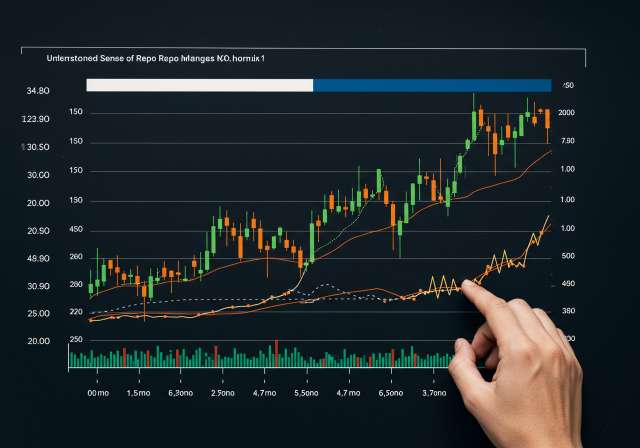
    Unlike long-term investing where the focus is on fundamental analysis and the long-term growth potential of a company, intraday trading relies heavily on technical analysis, chart patterns, and understanding market sentiment. Traders analyze price movements, volume, and other indicators to identify potential entry and exit points. This requires a disciplined approach, quick decision-making skills, and a strong understanding of risk management. The Indian market offers a range of tools and resources for traders, including real-time market data and sophisticated charting platforms.

    Key Differences: Intraday Trading vs. Long-Term Investing

    • Time Horizon: Intraday trading has a time horizon of hours, while long-term investing spans years.
    • Analysis: Technical analysis dominates intraday trading, whereas fundamental analysis is the cornerstone of long-term investing.
    • Risk Profile: Intraday trading is considerably riskier than long-term investing due to its short-term nature and reliance on market volatility.
    • Capital Requirements: Day trading often requires a larger capital base than long-term investing, as traders need sufficient funds to execute multiple trades.

    Setting the Stage: Essential Requirements for Intraday Trading

    Before diving into intraday trading, it’s essential to ensure you have the necessary tools and knowledge. Here’s a checklist of requirements for Indian investors:

    • Demat and Trading Account: You’ll need a Demat account to hold your shares electronically and a trading account to execute buy and sell orders. Several brokers in India offer these services, including discount brokers that provide cost-effective trading options.
    • Trading Software: Choose a reliable trading platform that provides real-time market data, charting tools, and order execution capabilities. Many brokers offer their own platforms, or you can opt for third-party software.
    • Sufficient Capital: Day trading requires a reasonable amount of capital to withstand potential losses and execute multiple trades. Avoid using funds that you cannot afford to lose.
    • Knowledge and Skills: A thorough understanding of technical analysis, risk management, and market dynamics is crucial for success. Consider taking courses, reading books, and practicing with paper trading before trading with real money.
    • Discipline and Emotional Control: Day trading can be emotionally taxing. Maintaining discipline and avoiding impulsive decisions are essential for consistent profitability.

    Crafting a Winning Strategy: Key Strategies for Intraday Trading

    A well-defined strategy is the backbone of successful intraday trading. Here are some popular strategies employed by Indian traders:

    Trend Following

    This strategy involves identifying stocks that are exhibiting a clear upward or downward trend and riding the trend for a short period. Traders use technical indicators such as moving averages and trendlines to identify trends and potential entry and exit points.

    Breakout Trading

    Breakout trading focuses on identifying stocks that are breaking out of a defined trading range or resistance level. Traders believe that a breakout signals the start of a new trend and attempt to profit from the subsequent price movement.

    Scalping

    Scalping is a high-frequency trading strategy that involves making numerous small trades throughout the day, aiming to profit from tiny price fluctuations. Scalpers rely on speed and precision to execute trades quickly and efficiently.

    Reversal Trading

    Reversal trading involves identifying stocks that are likely to reverse their current trend. Traders look for patterns such as double tops, double bottoms, and head and shoulders formations to identify potential reversal points.

    Volume and Price Action Analysis

    This strategy focuses on analyzing the relationship between price and volume to identify potential trading opportunities. Traders look for patterns such as high-volume breakouts and low-volume pullbacks to make informed trading decisions.

    Navigating the Risks: Risk Management in Intraday Trading

    Day trading inherently involves significant risks, and effective risk management is paramount. Here’s how Indian traders can mitigate potential losses:

    Stop-Loss Orders

    A stop-loss order is an order to automatically sell a stock when it reaches a certain price. This helps to limit potential losses by exiting a trade before it spirals out of control. Place stop-loss orders strategically, considering the volatility of the stock and your risk tolerance.

    Position Sizing

    Position sizing refers to determining the appropriate amount of capital to allocate to each trade. Avoid risking too much capital on any single trade. A general rule of thumb is to risk no more than 1-2% of your total trading capital on each trade.

    Leverage Management

    Leverage allows traders to control a larger position with a smaller amount of capital. While leverage can amplify profits, it can also magnify losses. Use leverage judiciously and only if you fully understand the risks involved. SEBI has regulations regarding the leverage offered by brokers in India, so it’s important to be aware of these limits.

    Avoid Overtrading

    Overtrading can lead to increased transaction costs and impulsive decisions. Stick to your trading plan and avoid chasing every perceived opportunity. Quality over quantity is key.

    Maintain a Trading Journal

    Keeping a detailed trading journal helps you track your trades, identify patterns, and learn from your mistakes. Record the reasons for your trades, your entry and exit points, and your profits or losses. Reviewing your journal regularly can help you improve your trading performance.

    Tools of the Trade: Essential Resources for Day Traders in India

    Successful intraday trading relies on access to real-time data, reliable charting tools, and robust analytical resources. Here are some essential tools for Indian day traders:

    Real-Time Market Data

    Access to real-time market data is crucial for making informed trading decisions. Subscribe to a reliable data feed that provides up-to-the-minute price quotes, order book information, and market depth data. The NSE and BSE offer data feeds to subscribers.

    Charting Software

    Charting software allows you to visualize price movements, identify trends, and apply technical indicators. Popular charting platforms include TradingView, MetaTrader, and AmiBroker. Choose a platform that offers a wide range of charting tools and technical indicators.

    Technical Indicators

    Technical indicators are mathematical calculations based on price and volume data that can help you identify potential trading opportunities. Some commonly used indicators include moving averages, MACD, RSI, and Fibonacci retracements.

    News and Analysis

    Staying informed about market news and economic events is essential for understanding market sentiment and potential price movements. Follow reputable financial news sources and analysts to stay abreast of market developments. Also, keep an eye out for announcements from SEBI that might affect your trades.

    Tax Implications: Understanding Tax Rules for Intraday Trading Profits

    In India, profits from intraday trading are generally treated as speculative business income and are taxed at the applicable income tax slab rate. It’s crucial to maintain accurate records of your trading activity and consult with a tax professional to ensure compliance with tax laws. You can also claim expenses related to your trading activity, such as brokerage fees and internet charges, as deductions.

    The Psychological Edge: Maintaining Emotional Discipline

    Intraday trading can be emotionally challenging. Fear and greed can lead to impulsive decisions and costly mistakes. Develop strategies to manage your emotions and maintain discipline:

    • Stick to your trading plan: Don’t deviate from your pre-defined strategy based on emotions.
    • Avoid revenge trading: Don’t try to recoup losses immediately by taking on unnecessary risks.
    • Take breaks: Step away from the screen when you feel overwhelmed or stressed.
    • Practice mindfulness: Techniques like meditation can help you stay calm and focused.

    Conclusion: Is Intraday Trading Right for You?

    Intraday trading presents a potential avenue for generating profits in the Indian stock market. However, it’s not a get-rich-quick scheme. It demands dedication, discipline, and a thorough understanding of market dynamics. Before venturing into this arena, assess your risk tolerance, financial resources, and time commitment. If you’re willing to put in the effort and learn the necessary skills, intraday trading can be a rewarding, albeit challenging, endeavor. Remember to invest time in learning about market instruments such as mutual funds, SIPs, ELSS, PPF, and NPS as well, so that you can diversify your portfolio and plan a secure financial future in the long run. Consider starting with paper trading to hone your skills and gain experience before risking real money.

  • Decoding the Indian Stock Market: A Comprehensive Guide to the BSE

    Decoding the Indian Stock Market: A Comprehensive Guide to the BSE

    Navigate the Indian stock market with confidence. Discover the BSE’s history, key indices like Sensex, investment strategies, and regulatory oversight by SEBI.

    Navigate the Indian stock market with confidence. Discover the bse‘s history, key indices like Sensex, investment strategies, and regulatory oversight by SEBI. Make informed investment decisions today!

    Decoding the Indian Stock Market: A Comprehensive Guide to the BSE

    Understanding the Landscape of Indian Finance

    India’s financial markets are a vibrant and dynamic arena, offering a plethora of opportunities for investors seeking to grow their wealth. At the heart of this system lie the stock exchanges, playing a pivotal role in capital formation and economic growth. The primary stock exchanges, the National Stock Exchange (NSE) and the Bombay Stock Exchange (BSE), are essential infrastructure institutions. They facilitate the buying and selling of stocks, bonds, and other financial instruments, connecting companies seeking capital with investors looking for returns.

    Before diving deep, let’s establish some foundational knowledge:

    • Equity Markets: These are marketplaces where shares of publicly listed companies are traded. Investors buy and sell these shares, hoping to profit from their price appreciation and dividends.
    • Mutual Funds: Investment vehicles that pool money from multiple investors to purchase a diversified portfolio of stocks, bonds, or other assets. Professional fund managers oversee these funds, aiming to generate returns that align with the fund’s stated objectives.
    • Systematic Investment Plans (SIPs): A disciplined approach to investing in mutual funds. Investors make regular, fixed-amount investments over a period, mitigating risk through rupee-cost averaging.
    • Debt Instruments: These represent loans made by investors to borrowers (corporations or governments). Examples include bonds, debentures, and treasury bills. They typically offer fixed interest payments.
    • SEBI (Securities and Exchange Board of India): The regulatory body responsible for overseeing and regulating the Indian securities market. SEBI’s role is to protect investors’ interests, ensure market integrity, and promote the development of the securities market.

    A Historical Perspective: The Birth of the Bombay Stock Exchange

    Delving into the history of the Indian stock market inevitably leads us to the Bombay Stock Exchange. Established in 1875, it holds the distinction of being Asia’s oldest stock exchange. Its roots trace back even further, to the 1850s, when informal gatherings of stockbrokers took place under a banyan tree in Mumbai. These gatherings eventually formalized into what we know today. The exchange has witnessed numerous economic cycles and played a vital role in the growth of Indian capitalism.

    The BSE’s journey reflects the evolution of Indian business and its relationship with the global economy. Initially, it facilitated trade in cotton and other commodities, gradually expanding its scope to include shares of companies. Over the years, the exchange has adopted cutting-edge technology and modern trading practices, evolving from an open outcry system to electronic trading platforms.

    Key Indices and Their Significance

    Stock market indices are vital benchmarks that provide a snapshot of the overall market performance. They represent the performance of a selected group of stocks, offering investors a convenient way to gauge market trends. The most prominent index associated with the BSE is the S&P BSE Sensex, also simply known as the Sensex.

    The Sensex comprises 30 of the largest and most actively traded stocks on the exchange, representing a broad spectrum of the Indian economy. Its movements are closely watched by investors, analysts, and policymakers as an indicator of market sentiment and economic health. A rising Sensex typically signals positive market sentiment and optimism, while a falling Sensex often reflects concerns about the economy or corporate performance.

    Other important indices on the BSE include:

    • BSE 100: Represents the top 100 companies listed on the exchange.
    • BSE 200: A broader index encompassing the top 200 companies.
    • BSE 500: An even wider index, covering the top 500 companies, offering a more comprehensive view of the market.
    • Sectoral Indices: These track the performance of specific sectors, such as banking, IT, pharmaceuticals, and energy. These are useful for investors who want to focus on particular areas of the economy.

    Investing Through the BSE: Avenues and Strategies

    Investing in the Indian stock market through the BSE offers a variety of avenues and strategies to suit different risk appetites and investment goals.

    Direct Equity Investments

    This involves directly buying and selling shares of publicly listed companies. It requires careful research and analysis of companies’ financials, industry trends, and macroeconomic factors. Direct equity investing can offer the potential for high returns but also carries a higher level of risk. It is suitable for investors who are willing to dedicate time and effort to understanding the market.

    Mutual Funds

    As mentioned earlier, mutual funds are professionally managed investment vehicles that offer diversification and convenience. They allow investors to participate in the stock market without having to individually select stocks. There are various types of mutual funds available, including equity funds, debt funds, and hybrid funds, each with a different risk-return profile. SIPs are a popular way to invest in mutual funds, allowing investors to make small, regular investments over time.

    Exchange Traded Funds (ETFs)

    ETFs are similar to mutual funds, but they are traded on stock exchanges like individual stocks. They typically track a specific index or sector, providing investors with exposure to a diversified portfolio at a low cost. ETFs offer intraday liquidity and can be bought and sold throughout the trading day.

    Other Investment Options

    Besides equity markets, the BSE also facilitates trading in other investment options such as:

    • Debt Instruments: Bonds, debentures, and government securities.
    • Derivatives: Futures and options contracts, which are used for hedging and speculation.
    • SME Platform: A platform for small and medium-sized enterprises (SMEs) to raise capital through initial public offerings (IPOs).

    Understanding Regulatory Oversight: The Role of SEBI

    The Securities and Exchange Board of India (SEBI) plays a crucial role in regulating the Indian stock market and protecting investors’ interests. SEBI’s responsibilities include:

    • Regulating Stock Exchanges: Ensuring that exchanges operate in a fair and transparent manner.
    • Preventing Insider Trading: Enforcing strict rules against the use of non-public information for trading.
    • Monitoring Corporate Governance: Ensuring that companies adhere to ethical and transparent business practices.
    • Investor Education: Providing educational resources to help investors make informed decisions.

    SEBI’s regulatory framework aims to maintain market integrity and prevent fraudulent activities, fostering investor confidence and promoting the healthy development of the Indian securities market.

    Tax Implications of Investing in the Indian Stock Market

    It’s crucial to understand the tax implications associated with investing in the Indian stock market. Key aspects include:

    • Capital Gains Tax: Tax levied on profits made from the sale of capital assets, such as stocks and mutual fund units. The tax rate depends on the holding period of the asset. Short-term capital gains (held for less than 12 months for equity) are taxed at a higher rate than long-term capital gains.
    • Dividend Income: Dividends received from companies are taxable in the hands of the investor.
    • Securities Transaction Tax (STT): A small tax levied on transactions in the stock market.

    Investors should consult with a tax advisor to understand the specific tax implications of their investments and plan their finances accordingly. Tax-saving investments like Equity Linked Savings Schemes (ELSS) – a type of mutual fund – Public Provident Fund (PPF), and National Pension System (NPS) can provide tax benefits under Section 80C of the Income Tax Act.

    Final Thoughts: Navigating the Indian Stock Market

    Investing in the Indian stock market can be a rewarding experience, but it requires careful planning, research, and a long-term perspective. Understanding the fundamentals of the market, choosing the right investment strategies, and staying informed about regulatory changes are essential for success. Whether you are a seasoned investor or just starting out, it is important to seek professional financial advice and make informed decisions based on your individual circumstances and risk tolerance. The Indian stock market offers a wide range of opportunities for wealth creation, and with a disciplined and informed approach, investors can achieve their financial goals.

  • Decoding the Indian Stock Market: A Comprehensive Guide

    Decoding the Indian Stock Market: A Comprehensive Guide

    Navigate the Indian stock market! Understand the NSE, its role in the Indian economy, key indices like Nifty 50, trading strategies, and how to invest wisely. S

    Navigate the Indian stock market! Understand the nse, its role in the Indian economy, key indices like Nifty 50, trading strategies, and how to invest wisely. Secure your financial future with informed decisions.

    Decoding the Indian Stock Market: A Comprehensive Guide

    Introduction: India’s Financial Landscape

    India’s financial market is a vibrant and dynamic ecosystem, crucial for the country’s economic growth. It provides a platform for companies to raise capital, investors to grow their wealth, and fuels innovation across various sectors. Understanding the intricacies of this market is essential for anyone looking to participate in India’s economic success story.

    At the heart of this system are stock exchanges, where shares of publicly listed companies are bought and sold. These exchanges act as intermediaries, ensuring fair and transparent trading practices. They also play a vital role in price discovery, reflecting the market’s sentiment towards individual companies and the overall economy.

    Understanding Stock Exchanges in India

    In India, the two primary stock exchanges are the Bombay Stock Exchange (BSE) and the National Stock Exchange (NSE). Both exchanges facilitate the trading of equities, derivatives, mutual funds, and other financial instruments. While both serve similar functions, they have distinct histories, trading volumes, and market capitalization.

    The BSE, established in 1875, is Asia’s oldest stock exchange and a historical cornerstone of the Indian financial market. It is renowned for its rich heritage and the significant number of listed companies. The Sensex, BSE’s benchmark index, is a widely recognized indicator of the Indian equity market’s performance.

    This document will primarily focus on one of these exchanges.

    Delving Deeper: The Role of the NSE

    The National Stock Exchange of India (NSE) emerged as a modern, screen-based exchange, revolutionizing trading practices in India. Its introduction brought greater transparency, efficiency, and accessibility to the market. The NSE is known for its high trading volumes and its sophisticated technology infrastructure.

    Established in 1992, the NSE quickly gained prominence and is now the largest stock exchange in India, measured by total and average daily turnover for equity trading. It offers a wide range of products and services, including equities, derivatives, debt instruments, and exchange-traded funds (ETFs).

    Key Functions of the NSE

    • Providing a Trading Platform: The NSE facilitates the buying and selling of securities through its electronic trading platform. This platform ensures fair and transparent price discovery.
    • Ensuring Market Integrity: The NSE implements strict rules and regulations to prevent market manipulation and insider trading, protecting investors’ interests.
    • Settlement and Clearing: The NSE manages the clearing and settlement process, ensuring that trades are executed efficiently and securely.
    • Index Management: The NSE maintains and publishes several indices, including the Nifty 50, which are widely used as benchmarks for the Indian equity market.
    • Promoting Investor Education: The NSE actively promotes investor education through various initiatives, empowering individuals to make informed investment decisions.

    The Nifty 50: A Benchmark Index

    The Nifty 50 is the flagship index of the NSE, representing the weighted average of the top 50 companies listed on the exchange. It is a widely used benchmark for the Indian equity market, reflecting the overall performance of the Indian economy. Investors often use the Nifty 50 as a gauge to assess the health and direction of the market.

    Significance of the Nifty 50

    • Market Representation: The Nifty 50 represents a significant portion of the Indian stock market capitalization, providing a comprehensive view of the market’s performance.
    • Benchmark for Funds: Many mutual funds and ETFs use the Nifty 50 as their benchmark, aiming to replicate or outperform its performance.
    • Derivatives Trading: The Nifty 50 is also used as the underlying asset for derivatives contracts, such as futures and options, allowing investors to hedge their positions or speculate on market movements.
    • Economic Indicator: The Nifty 50 is often seen as an indicator of the overall health of the Indian economy, reflecting the performance of various sectors.

    Investing in the Indian Stock Market: Strategies and Options

    Investing in the Indian stock market can be a rewarding experience, but it requires careful planning and a thorough understanding of the market dynamics. There are various investment strategies and options available, catering to different risk profiles and investment goals.

    Direct Equity Investments

    Direct equity investments involve buying shares of individual companies listed on the NSE or BSE. This approach allows investors to participate directly in the growth of specific companies and potentially earn higher returns. However, it also requires more research and analysis to identify fundamentally strong companies with growth potential.

    Before investing in direct equity, it’s crucial to conduct thorough due diligence, analyzing the company’s financial statements, understanding its business model, and assessing its competitive landscape. It’s also important to diversify your portfolio across different sectors to mitigate risk.

    Mutual Funds

    Mutual funds are a popular investment option, especially for those who lack the time or expertise to manage their investments directly. Mutual funds pool money from multiple investors and invest in a diversified portfolio of stocks, bonds, or other assets. Professional fund managers manage these funds, making investment decisions on behalf of the investors.

    There are various types of mutual funds available in India, including equity funds, debt funds, hybrid funds, and thematic funds. Equity funds invest primarily in stocks, offering the potential for higher returns but also carrying higher risk. Debt funds invest primarily in bonds, providing more stable returns but with lower growth potential. Hybrid funds combine both equity and debt investments, offering a balance between risk and return.

    Systematic Investment Plans (SIPs)

    Systematic Investment Plans (SIPs) are a disciplined approach to investing in mutual funds. SIPs allow investors to invest a fixed amount of money at regular intervals, typically monthly, in a mutual fund of their choice. This approach helps to average out the cost of investment, mitigating the impact of market volatility. SIPs are a popular choice for long-term investors looking to build wealth gradually.

    Exchange Traded Funds (ETFs)

    Exchange Traded Funds (ETFs) are similar to mutual funds but are traded on stock exchanges like individual stocks. ETFs typically track a specific index, such as the Nifty 50 or the Sensex, providing investors with a cost-effective way to gain exposure to a diversified portfolio of stocks. ETFs offer the flexibility of trading throughout the day, unlike mutual funds, which are priced at the end of the trading day.

    Tax-Saving Investment Options

    The Indian government offers various tax-saving investment options under Section 80C of the Income Tax Act, allowing individuals to reduce their taxable income. These options include Public Provident Fund (PPF), National Pension System (NPS), Equity Linked Savings Scheme (ELSS), and others.

    • Public Provident Fund (PPF): PPF is a long-term savings scheme offered by the government, providing tax benefits and attractive interest rates.
    • National Pension System (NPS): NPS is a retirement savings scheme, offering tax benefits and allowing individuals to build a retirement corpus.
    • Equity Linked Savings Scheme (ELSS): ELSS are equity mutual funds that offer tax benefits under Section 80C. They have a lock-in period of three years, the shortest among all tax-saving investment options.

    The Role of SEBI

    The Securities and Exchange Board of India (SEBI) is the regulatory body for the securities market in India. SEBI’s primary objective is to protect the interests of investors, promote the development of the securities market, and regulate its functioning. SEBI plays a crucial role in ensuring fair and transparent trading practices, preventing market manipulation, and protecting investors from fraudulent activities.

    SEBI has implemented various regulations and guidelines to ensure the integrity of the Indian stock market. These include regulations on insider trading, disclosure requirements for listed companies, and regulations on the operation of stock exchanges and mutual funds.

    Conclusion: Navigating the Indian Stock Market Successfully

    The Indian stock market offers a plethora of opportunities for investors to grow their wealth and participate in the country’s economic growth. However, it’s crucial to approach the market with a well-defined investment strategy, a thorough understanding of the market dynamics, and a disciplined approach to risk management. Whether you choose to invest directly in equities, through mutual funds, or through other investment options, it’s essential to stay informed, seek professional advice if needed, and make investment decisions based on your individual financial goals and risk tolerance.

    By understanding the role of institutions like the NSE and SEBI, along with various investment avenues, you can navigate the Indian stock market with confidence and achieve your financial aspirations.