Confused about investing in the Indian stock market? This guide simplifies the process of opening a Demat account. Learn how to open demat account, documents re
Confused about investing in the Indian stock market? This guide simplifies the process of opening a Demat account. Learn how to open demat account, documents required, and choose the best broker for your investment journey in India. Start investing today!
Unlock the Indian Stock Market: Your Guide to Opening a Demat Account
Understanding the Demat Account: Your Gateway to Indian Investments
In today’s dynamic financial landscape, investing in the Indian stock market has become increasingly accessible to everyone. However, navigating this world requires understanding certain fundamental concepts, and at the forefront of these is the Demat account. Think of a Demat account (short for Dematerialized Account) as a digital locker for your shares and securities. In the pre-digital era, physical share certificates were the norm, leading to cumbersome processes and risks of loss, theft, or damage. The introduction of Demat accounts by the National Securities Depository Limited (NSDL) and Central Depository Services (India) Limited (CDSL) revolutionized the Indian stock market, streamlining the entire process of buying, selling, and holding securities.
Essentially, a Demat account holds your investments in an electronic format, eliminating the need for physical certificates. This not only simplifies trading but also enhances security and transparency. It’s crucial for anyone looking to participate in the Indian stock market, be it through direct equity investments, mutual funds, or other financial instruments. Investing in the Indian equity markets can be a rewarding experience, offering the potential for significant returns. However, it’s vital to approach it with a solid understanding of the underlying mechanics and the tools required.
Why You Need a Demat Account to Invest in India
A Demat account is not merely a convenient option; it’s an essential prerequisite for most forms of investment in the Indian market. Here’s why:
- Mandatory for Trading: As per regulations from the Securities and Exchange Board of India (SEBI), a Demat account is mandatory for trading in equity shares, bonds, and mutual funds through stock exchanges like the NSE (National Stock Exchange) and BSE (Bombay Stock Exchange).
- Safe and Secure: Electronic storage eliminates the risks associated with physical certificates, safeguarding your investments against loss, theft, or damage.
- Ease of Transactions: Buying and selling shares becomes seamless and efficient. Transfers are executed electronically, reducing settlement time and paperwork.
- Access to IPOs and Other Investments: A Demat account is necessary for applying for Initial Public Offerings (IPOs), Sovereign Gold Bonds, and other investment instruments.
- Centralized Holding: You can hold various types of investments, including equity shares, debt instruments, and mutual fund units, in a single Demat account. This offers a consolidated view of your portfolio.
- Nomination Facility: Demat accounts allow you to nominate beneficiaries, simplifying the transfer of your holdings in case of unforeseen circumstances.
The Step-by-Step Guide: Opening Your Demat Account
Opening a Demat account in India is a relatively straightforward process. Here’s a detailed step-by-step guide to help you navigate the process:
1. Choose a Depository Participant (DP)
A Depository Participant (DP) acts as an intermediary between you and the depository (NSDL or CDSL). DPs are typically banks, brokers, or financial institutions authorized to provide Demat account services. When selecting a DP, consider factors such as brokerage charges, account maintenance fees, platform usability, research reports, and customer service quality. Some popular DPs in India include:
- Zerodha
- Upstox
- ICICI Direct
- HDFC Securities
- Kotak Securities
- Angel One
2. Application and KYC (Know Your Customer)
Once you’ve selected a DP, you’ll need to fill out an account opening application form. This can usually be done online or offline. Along with the application, you’ll need to complete the KYC process, which involves providing documents to verify your identity and address. Required documents typically include:
- Proof of Identity (POI): PAN Card, Aadhaar Card, Passport, Voter ID Card, Driving License
- Proof of Address (POA): Aadhaar Card, Passport, Voter ID Card, Driving License, Utility Bills (electricity, telephone), Bank Statement
- PAN Card: Mandatory for trading and investment in the Indian market.
- Photograph: Passport-sized photograph.
- Bank Account Details: Details of your bank account linked to the Demat account.
3. In-Person Verification (IPV)
As per SEBI regulations, an In-Person Verification (IPV) is mandatory for opening a Demat account. This is typically done by a representative of the DP, either in person or through video conferencing, to verify your identity and ensure compliance with KYC norms.
4. Agreement and Account Activation
After successful verification of your documents and completion of the IPV, you’ll receive an agreement outlining the terms and conditions of the Demat account. Carefully read and understand the agreement before signing it. Once the agreement is processed, your Demat account will be activated, and you’ll receive your account details, including the DP ID and client ID.
5. Linking Your Bank Account
Your Demat account needs to be linked to your bank account. This allows for seamless transfer of funds for trading and investment purposes. You’ll need to provide your bank account details to the DP during the account opening process.
Choosing the Right Depository Participant: Key Considerations
Selecting the right DP is crucial for a smooth and rewarding investment experience. Here are some key factors to consider:
- Brokerage Charges and Fees: Compare the brokerage charges, account maintenance fees, and other charges levied by different DPs. Look for competitive pricing and transparency in fee structures.
- Trading Platform: Evaluate the usability and features of the DP’s trading platform. A user-friendly platform can significantly enhance your trading experience. Consider factors such as charting tools, real-time data, and mobile accessibility.
- Research and Advisory Services: Some DPs offer research reports, investment recommendations, and advisory services. If you’re a beginner, these services can be valuable in making informed investment decisions.
- Customer Service: Opt for a DP with responsive and reliable customer service. Prompt resolution of queries and issues is essential for a positive investment experience.
- Online and Offline Presence: Consider whether the DP has a strong online presence, including a user-friendly website and mobile app. Also, check if they have branches or offices in your locality for offline support.
- Reputation and Reliability: Research the DP’s reputation and reliability before opening an account. Look for reviews and ratings from other investors.
Demat Account Charges: Understanding the Costs Involved
While opening a Demat account is generally free, there are certain charges associated with maintaining and operating the account. Understanding these charges is crucial for budgeting and managing your investment costs.
- Account Maintenance Charges (AMC): Most DPs charge an annual fee for maintaining the Demat account. These charges can vary depending on the DP and the type of account.
- Transaction Charges: Transaction charges are levied on each buy or sell transaction executed through your Demat account. These charges are typically a percentage of the transaction value or a fixed fee per transaction.
- Custodian Charges: Custodian charges are levied by the depository (NSDL or CDSL) for safeguarding your securities. These charges are usually passed on to the account holder by the DP.
- Other Charges: Other potential charges may include dematerialization charges (for converting physical shares to electronic form), rematerialization charges (for converting electronic shares to physical form), and charges for failed transactions.
Linking Your Demat Account to Trading Platforms
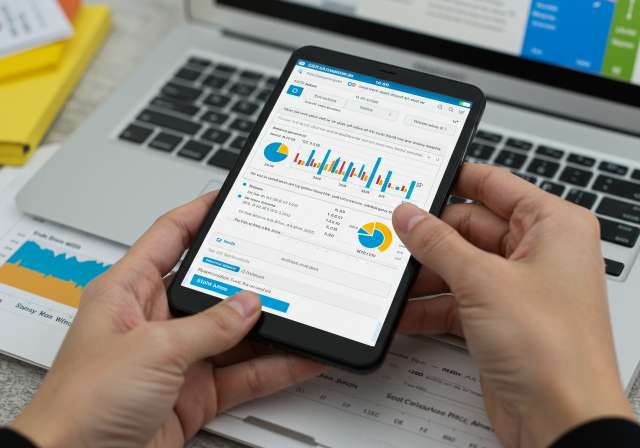
Once your Demat account is active, you can link it to various trading platforms offered by your DP or other brokerage firms. This allows you to buy and sell shares and other securities directly from your computer or mobile device. Most trading platforms offer a range of features, including real-time market data, charting tools, order placement facilities, and portfolio tracking capabilities.
Demat Account and Investment Options in India
With a Demat account in place, you can access a wide range of investment options in the Indian market, including:
- Equity Shares: Invest in the shares of publicly listed companies on the NSE and BSE.
- Mutual Funds: Invest in diversified portfolios managed by professional fund managers through Systematic Investment Plans (SIPs) or lump-sum investments.
- Initial Public Offerings (IPOs): Apply for shares of companies launching their IPOs.
- Bonds and Debentures: Invest in fixed-income securities issued by corporations or government entities.
- Exchange Traded Funds (ETFs): Invest in funds that track a specific index or commodity.
- Sovereign Gold Bonds (SGBs): Invest in gold in electronic form, with interest paid periodically.
- Derivatives (Futures and Options): Engage in trading of futures and options contracts on various underlying assets. (Requires additional approvals and risk assessment)
- Equity Linked Savings Scheme (ELSS): Save tax under section 80C of the Income Tax Act by investing in ELSS mutual funds.
Remember to align your investment choices with your risk tolerance, financial goals, and investment horizon. Diversification across asset classes is key to managing risk and achieving long-term financial success.
Tax Implications on Demat Account and Investments
It’s important to understand the tax implications of your investments held in your Demat account. Capital gains tax is levied on profits made from the sale of shares and other securities. The tax rate depends on the holding period of the investment:
- Short-Term Capital Gains (STCG): Gains from the sale of shares held for less than 12 months are taxed at a rate of 15% (plus applicable surcharge and cess).
- Long-Term Capital Gains (LTCG): Gains from the sale of shares held for more than 12 months are taxed at a rate of 10% (plus applicable surcharge and cess), subject to an exemption of ₹1 lakh per financial year.
Dividends received from investments are taxable in the hands of the investor. It’s advisable to consult a tax advisor to understand the tax implications of your specific investment portfolio.
Conclusion: Start Your Investment Journey Today
Opening a Demat account is the first step towards unlocking the potential of the Indian stock market. By understanding the process and choosing the right DP, you can embark on a rewarding investment journey. Remember to invest wisely, diversify your portfolio, and stay informed about market trends and regulatory changes. With a Demat account, you can conveniently access a wide range of investment options and work towards achieving your financial goals. Don’t delay; start your investment journey today!