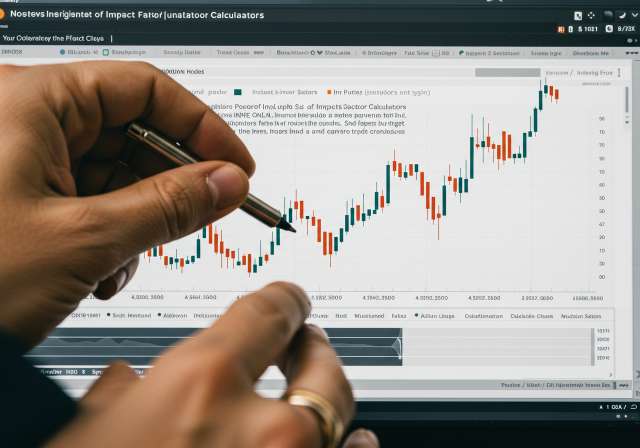
Demystifying derivatives trading in India. Understand futures, options, risks, and strategies. Navigate NSE & BSE with confidence. Learn how to use derivatives
Demystifying derivatives trading in India. Understand futures, options, risks, and strategies. Navigate NSE & BSE with confidence. Learn how to use derivatives for hedging & speculation. Start your derivatives journey!
Derivatives Trading: A Comprehensive Guide for Indian Investors
Introduction to Derivatives
The Indian financial market is a vibrant ecosystem, offering diverse investment avenues for both seasoned investors and newcomers. Among these, derivatives stand out as powerful, yet often misunderstood, instruments. This guide aims to demystify derivatives, providing a clear understanding of their nature, purpose, and application within the Indian context, with specific references to the National Stock Exchange (NSE) and the Bombay Stock Exchange (BSE).
Derivatives, at their core, are financial contracts whose value is derived from an underlying asset. This asset could be anything from stocks and bonds to commodities, currencies, or even market indices. The key is that the derivative’s price fluctuates based on the price movements of the underlying asset.
Types of Derivatives in India
The Indian derivatives market primarily features two main types of derivatives: futures and options. Understanding the nuances of each is crucial for anyone considering incorporating them into their investment strategy.
Futures Contracts
A futures contract is an agreement to buy or sell an asset at a predetermined price on a specified future date. Both parties involved – the buyer and the seller – are obligated to fulfill the contract at the agreed-upon price, regardless of the asset’s market price at the time of expiry. Futures are standardized contracts traded on exchanges like the NSE and BSE, providing transparency and liquidity.
For example, you might buy a Nifty 50 futures contract, betting that the index will rise by the expiry date. If your prediction is correct, you stand to gain; if the index falls, you’ll incur a loss. The profit or loss is settled daily through a process called marking-to-market.
Options Contracts
Options, unlike futures, grant the holder the right, but not the obligation, to buy or sell an asset at a predetermined price (the strike price) on or before a specified date (the expiry date). There are two main types of options:
- Call Options: Give the holder the right to buy the underlying asset at the strike price. Investors buy call options when they expect the asset’s price to increase.
- Put Options: Give the holder the right to sell the underlying asset at the strike price. Investors buy put options when they expect the asset’s price to decrease.
When you buy an option, you pay a premium to the seller. Your potential loss is limited to the premium paid, while your potential profit is theoretically unlimited (for call options) or limited to the strike price minus the premium (for put options).
Consider an investor who believes that Reliance Industries stock will increase in value. They could purchase a call option with a strike price slightly above the current market price. If the stock rises above the strike price plus the premium paid, the investor will profit. If the stock remains below the strike price, the investor will only lose the premium.
Key Participants in the Derivatives Market
The derivatives market attracts a diverse range of participants, each with their own motivations and strategies:
- Hedgers: These participants use derivatives to reduce their exposure to price fluctuations in the underlying asset. For instance, an exporter might use currency futures to hedge against fluctuations in exchange rates.
- Speculators: Speculators aim to profit from price movements in the underlying asset. They take on risk in the hope of generating higher returns.
- Arbitrageurs: Arbitrageurs exploit price discrepancies between different markets or related assets to generate risk-free profits.
Benefits of Derivatives Trading
While derivatives can seem complex, they offer several potential benefits to investors in the Indian market:
- Hedging: As mentioned earlier, derivatives allow investors to protect their portfolios from adverse price movements. For example, an investor holding a large portfolio of equity shares could buy Nifty 50 put options to hedge against a potential market downturn.
- Leverage: Derivatives offer leverage, meaning that a small investment can control a large position in the underlying asset. This can amplify both profits and losses.
- Price Discovery: The derivatives market can contribute to price discovery by reflecting the collective expectations of market participants regarding the future price of the underlying asset.
- Portfolio Diversification: Derivatives can be used to gain exposure to different asset classes and markets, potentially enhancing portfolio diversification.
Risks Associated with Derivatives Trading
It’s essential to acknowledge that derivatives trading comes with inherent risks, which should be carefully considered before participating in the market:
- Leverage Risk: While leverage can amplify profits, it can also magnify losses. A small adverse price movement can result in significant losses, potentially exceeding the initial investment.
- Market Risk: The price of derivatives is directly linked to the price of the underlying asset. Unfavorable price movements in the underlying asset can lead to losses in the derivatives position.
- Liquidity Risk: Some derivatives contracts may be less liquid than others, making it difficult to buy or sell them quickly at a fair price.
- Counterparty Risk: This refers to the risk that the other party to the derivative contract will default on their obligations. Exchange-traded derivatives mitigate this risk through clearing houses, but over-the-counter (OTC) derivatives may carry significant counterparty risk.
- Complexity: Derivatives can be complex instruments, requiring a thorough understanding of their mechanics and risk characteristics. Lack of understanding can lead to poor trading decisions and substantial losses.
Derivatives and Indian Regulations
The Securities and Exchange Board of India (SEBI) is the regulatory authority responsible for overseeing the Indian derivatives market. SEBI has implemented various measures to ensure market integrity, protect investors, and promote orderly trading. These measures include:
- Margin Requirements: SEBI mandates margin requirements for derivatives trading to limit leverage and mitigate the risk of default.
- Position Limits: SEBI sets position limits to prevent excessive speculation and maintain market stability.
- Clearing and Settlement: SEBI regulates clearing corporations that guarantee the settlement of derivatives trades, reducing counterparty risk.
- Disclosure Requirements: SEBI requires listed companies to disclose their use of derivatives in their financial statements.
Strategies for Derivatives Trading in India
Several strategies can be employed when engaging in derivatives trading. Here are a few examples:
- Protective Put: Buying a put option on a stock you own to protect against a potential price decline. This limits your downside risk while allowing you to profit from any upside.
- Covered Call: Selling a call option on a stock you own. This generates income (the premium) but limits your potential profit if the stock price rises above the strike price.
- Straddle: Buying both a call option and a put option with the same strike price and expiry date. This strategy is used when you expect significant price volatility but are unsure of the direction.
- Spread: Buying and selling options with different strike prices or expiry dates to create a defined risk and reward profile. Examples include bull call spreads and bear put spreads.
Integrating Derivatives with Other Investments (SIPs, Mutual Funds, etc.)
Derivatives can be used alongside other investment vehicles like Systematic Investment Plans (SIPs) in mutual funds, Equity Linked Savings Schemes (ELSS), Public Provident Fund (PPF), and National Pension System (NPS), although this requires a very high degree of skill and risk tolerance.
For example, a sophisticated investor might use index futures to hedge a portion of their equity mutual fund portfolio during periods of market uncertainty. However, it’s crucial to understand the complexities involved and to consult with a qualified financial advisor before implementing such strategies. Using derivatives to hedge passively managed investments such as PPF, NPS, or long-term SIPs is generally not recommended due to the complexity, risk, and potential for negative impact.
Tips for Beginners in Derivatives Trading
If you’re new to derivatives trading, consider these tips before diving in:
- Educate Yourself: Thoroughly understand the basics of derivatives, including the different types of contracts, their mechanics, and the associated risks. SEBI provides educational resources on its website, and many reputable financial websites offer courses and tutorials on derivatives trading.
- Start Small: Begin with small positions to gain experience and avoid significant losses.
- Use Stop-Loss Orders: Implement stop-loss orders to limit your potential losses.
- Manage Your Risk: Never invest more than you can afford to lose.
- Seek Professional Advice: Consult with a qualified financial advisor before making any derivatives trading decisions.
- Paper Trade: Before using real money, practice with a demo account offered by many brokers to familiarize yourself with the trading platform and strategies.
- Stay Informed: Keep up-to-date with market news and events that could impact the price of the underlying assets.
Conclusion
Derivatives are powerful tools that can be used for hedging, speculation, and portfolio diversification. However, they also carry significant risks. By understanding the fundamentals of derivatives, their associated risks, and the regulatory framework in India, investors can make informed decisions and potentially enhance their investment outcomes. Remember to prioritize education, risk management, and professional advice before engaging in derivatives trading. The Indian market, regulated by SEBI and facilitated by exchanges like NSE and BSE, offers a robust platform for those who approach derivatives with knowledge and caution.